
 EN
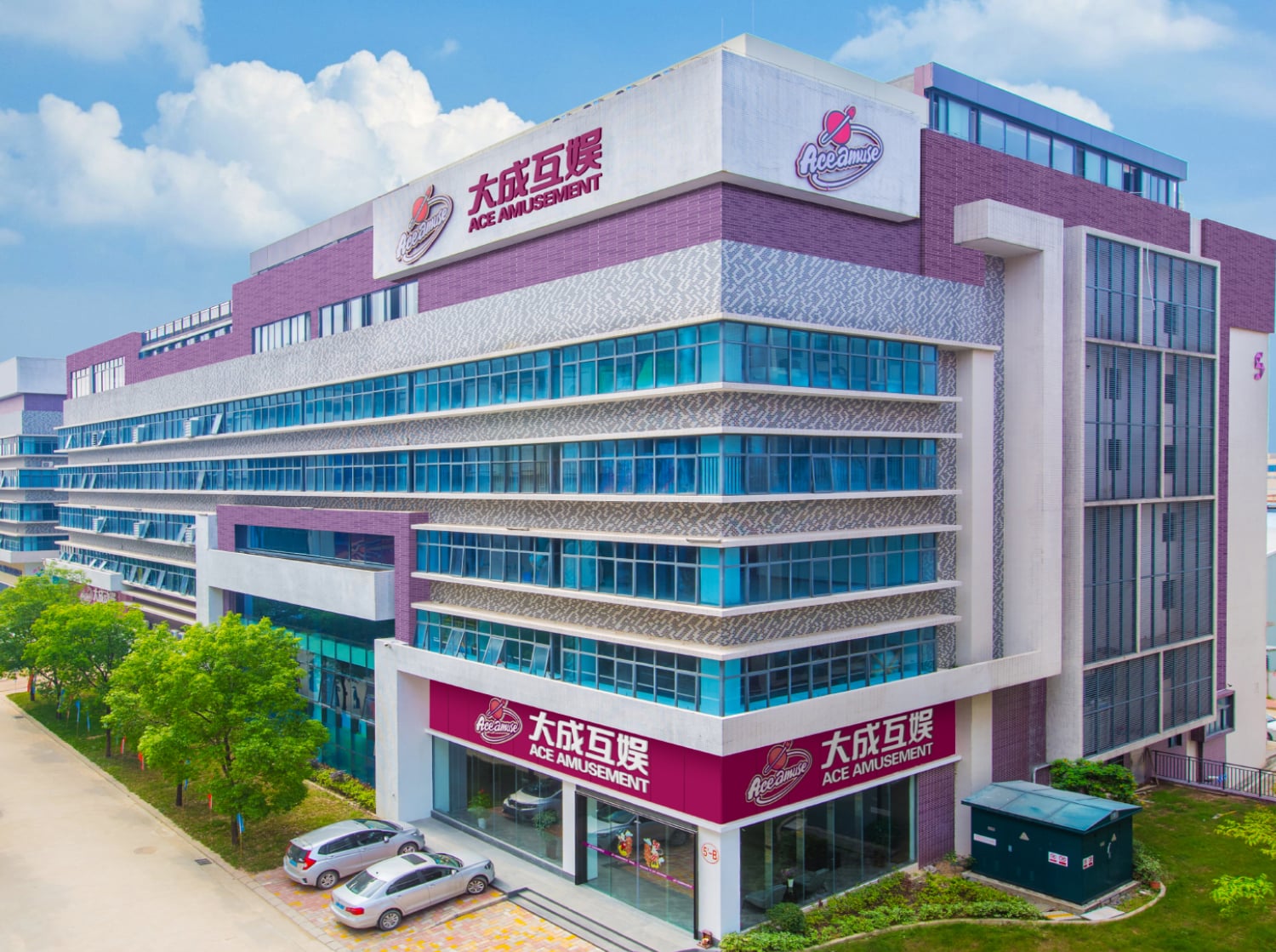
What Is the Typical Lead Time When Ordering From a Chinese Amusement Machine Manufacturer?
When a venue has an opening date, the useful question for an Amusement machine manufacturer is not simply “How fast?” It is “Which date does your quote describe?” For a standard order, an Amusement machine manufacturer may quote roughly 30–60 days of factory production after the specifications and deposit are confirmed. Custom cabinets, mixed categories, or complex attractions often require 60–90 days or longer.
Those ranges are planning guidance, not a promise. A buyer should ask an Amusement machine manufacturer to identify the production start date, factory-ready date, inspection date, and freight handover date in writing. That turns a vague lead-time claim into a schedule your project team can manage.
Typical Factory Lead Times by Order Type
| Order type | Indicative factory time | Planning note |
|---|---|---|
| Standard catalog machines | 30–60 days | A standard factory configuration can move sooner when common parts and finishes are available. |
| Mixed venue package | 45–75 days | Every line item must be ready before a consolidated shipment can leave. |
| Custom-branded or modified machines | 60–90+ days | Artwork approval, non-standard components, and extra testing add milestones. |
| Large rides or intricate attractions | 60–120+ days | Engineering, packing, documentation, and commissioning requirements may add time. |
Supplier-published examples found during research mention about 30 days for some standard in-production arcade models and 65–80 days for certain custom orders. Use that only as directional context. The schedule from your chosen supplier should reflect its current queue, your configuration, quantity, and destination needs.
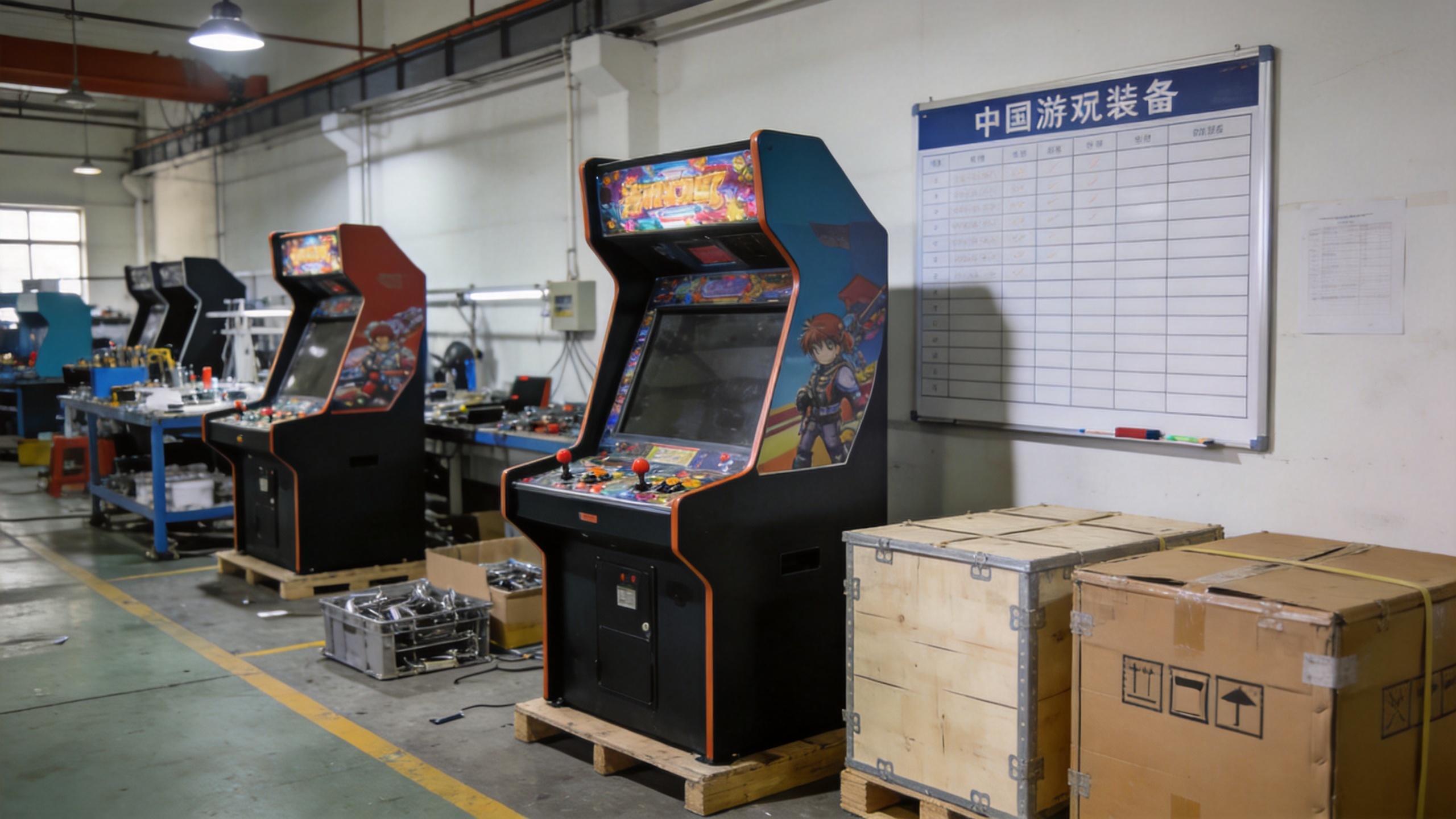
What Factory Lead Time Usually Includes
Clarify the start and finish points before comparing proposals. One factory may begin counting after a deposit arrives, while another begins only after voltage, language, artwork, controls, and packing instructions are approved. “Finished” can mean assembly is complete, inspection is complete, or goods are released to the forwarder.
- Specification freeze: The factory confirms models, quantities, power requirements, payment options, cabinet finish, and accessories.
- Production allocation: The factory reserves materials and a build slot.
- Assembly and testing: The production team fits cabinets, displays, controls, software, ticket mechanisms, or motion assemblies as applicable.
- Inspection: The inspection team checks the agreed mechanical, electrical, display, and software functions.
- Export release: The supplier completes packing and hands goods to the freight party.
What Can Move the Date
Customization is the most common variable. A late logo change, different cabinet color, localized menu, or revised payment setup can affect drawings, materials, software settings, and final testing. Tell the supplier which requests are fixed before production begins.
A mixed order also travels at the pace of its last-ready item. Ask the supplier whether early-complete units can ship separately, and weigh that flexibility against extra freight and handling. Component availability, holiday periods, and a busy factory schedule can also change the estimate.
Do not remove the inspection window to make a date look better. A capable supplier may need time to correct an issue discovered in testing. That is normally easier to handle before export than after international delivery.
Separate the Factory Date From the Venue Date
Factory completion is not venue readiness. After the supplier releases the order, account for export packing, port delivery, freight, customs, inland transport, installation, and commissioning. A general machinery-shipping guide found in research lists roughly 3–7 days for export packing and port delivery, plus 15–45 days for sea transit. A logistics-provider overview cites about 16–22 days of sea transit to US West Coast ports. Actual door-to-door timing varies by route, booking, port conditions, customs, and local delivery.
Use two milestones: the factory-ready date and your venue-ready date. Plan backwards from the venue-ready date, particularly if the opening is tied to a lease, marketing launch, or school-holiday season.
Questions to Send Before Placing a Deposit
- When does the factory consider production officially started?
- Which approvals must the supplier receive before work begins?
- Can the supplier provide dates for build, testing, and packing?
- How will the supplier report production progress?
- Can the supplier provide inspection photos, video, or support a third-party inspection?
- What date will the supplier make the goods available to the freight forwarder?
- Which documents will the supplier issue before dispatch?
- If one model runs late, can the supplier offer a phased-shipment option?
ACE Amusement describes production-status communication, pre-shipment functional inspection, and export-logistics support in its approved company materials. Confirm the precise services, delivery responsibilities, and dates in the quotation for your order.
Bottom Line
For a standard order, allow roughly 30–60 days of factory time from a Chinese Amusement machine manufacturer. For custom, mixed, or technically complex orders, 60–90 days or longer is a more prudent working range. Add logistics and commissioning separately. The right supplier schedule is a dated sequence of approvals, production, inspection, packing, and freight handover—not a single number. Freeze specifications early, protect inspection time, and keep a contingency between factory completion and venue opening.


 Hot News
