The GTI Guangzhou Exhibition took place from November 5th through 7th, 2021 at the China Import and Export Fair Complex venue. More than 300 companies set up booths while attracting roughly 15,000 people working in the industry. Known as the biggest gathering for arcade and amusement businesses across Asia, this event was all about bouncing back after pandemic disruptions. Exhibitors displayed new kinds of mixed reality entertainment options including those with cashless payments and virtual reality upgrades for prize games. According to what the organizers shared, there were 38 percent more business-to-business appointments arranged beforehand than during the 2019 edition. Digital tools made these connections happen faster, helping suppliers and buyers find each other again in our increasingly connected world.
Asia Pacific continues to lead the world in making amusement equipment, controlling around two thirds of all production capacity according to IGSA data from 2021. The event featured a special program called Hosted Buyers which helped secure roughly $32 million worth of initial deals with distributors. This successful model has since been copied in other parts of the region including the upcoming GTI Southeast Asia Expo scheduled for 2025. Nearly half of the manufacturers who took part formed partnerships across different countries, helping them grow faster in Southeast Asia where family entertainment centers are booming right now. Many companies see this as their gateway into one of the fastest expanding markets for recreational facilities.
The 2021 event saw exhibitors coming from 28 different nations, marking a 40 percent increase compared to 2019 numbers. This growth signals growing trust among international businesses in traditional trade shows after years of uncertainty. Japan, South Korea and Germany made up around two thirds of all foreign exhibitors at the show. Meanwhile, several countries across Southeast Asia brought in nearly a quarter of new faces making their debut at this year's exhibition. The mix of established players alongside these fresh entries has helped solidify Guangzhou Trade Fair's position as one of the key meeting points worldwide for companies working on everything from classic arcade machines to cutting edge virtual reality setups and innovative payment solutions.
Over 15 thousand people showed up at the trade show last month, and about 58 percent came from the Asia Pacific region which marks a solid 15 percent jump compared to 2020 figures. The numbers got even better looking at specific countries - registrations shot up 32% from India and jumped 27% coming out of Vietnam. That kind of growth points to untapped potential in these regions. After wrapping things up, organizers checked in with attendees and found that around three quarters of all buyers were on the hunt for new business partners to deal with staffing issues and problems getting supplies through disrupted chains. This really shows how valuable such events can be when companies need help filling those tricky operational holes they find themselves stuck in.
Starting back in 2018, the GTI Guangzhou Exhibition expanded dramatically, reaching 80,000 square meters while exhibitors grew at around 12% each year. When it came to 2021, there was something pretty impressive happening on site too. We saw about $210 million worth of orders placed right then and there, which represents nearly a 19% increase compared to what happened in 2020. This helped establish a new standard for how industries bounced back following all those pandemic shutdowns. Looking internationally, we've noticed international visitors coming in roughly 8% more every year since this whole thing started, showing that people across the globe still care deeply about what happens here.
For the 2021 event, organizers went with a theme-based layout covering around 38,000 square meters that made it easier for people to find what they were looking for and stay engaged throughout the day. They set up special areas featuring virtual reality and augmented reality tech, along with redemption games and those old school coin operated machines. About 20 thousand folks attended and got to interact directly with products in their preferred categories. Looking at similar events in the region, this kind of setup actually works better than just throwing everything together randomly. Some studies show that when things are grouped by industry, companies generate about 40 percent more leads than when everything's mixed up. Makes sense really, since visitors can focus on what matters most to them without getting lost in unrelated displays.
The event organizers worked hand in hand with city officials to make sure every amusement ride met the GB 8408-2018 safety requirements during on site checks. These joint efforts meant inspectors could go through each attraction thoroughly before opening day. When it came to getting foreign exhibitors set up, things ran much smoother this year thanks to better coordination between government agencies and private companies. About 8 out of 10 international participants actually finished their customs paperwork three full days quicker compared to last year's show. Language wasn't a barrier either since dedicated support staff spoke multiple tongues helped handle those tricky shipping issues. They coordinated the movement of more than 1,200 pallets arriving from across 35 different nations, which cut down waiting periods and saved precious setup time when preparing exhibits.
The selection process involved three main stages focusing on innovations that hit certain technical marks. Products needed at least a 15% improvement in energy efficiency, work well with IoT devices, and follow ISO 9001:2015 guidelines. Everyone showing their stuff had to go through required training sessions about China's game rating rules. These sessions made a real difference too, cutting down rejected prototypes by around two thirds from what we saw back in 2020. Looking at responses after the event, most folks (about 7 out of 10) thought the whole vetting system was pretty important for getting products ready for Asian markets.
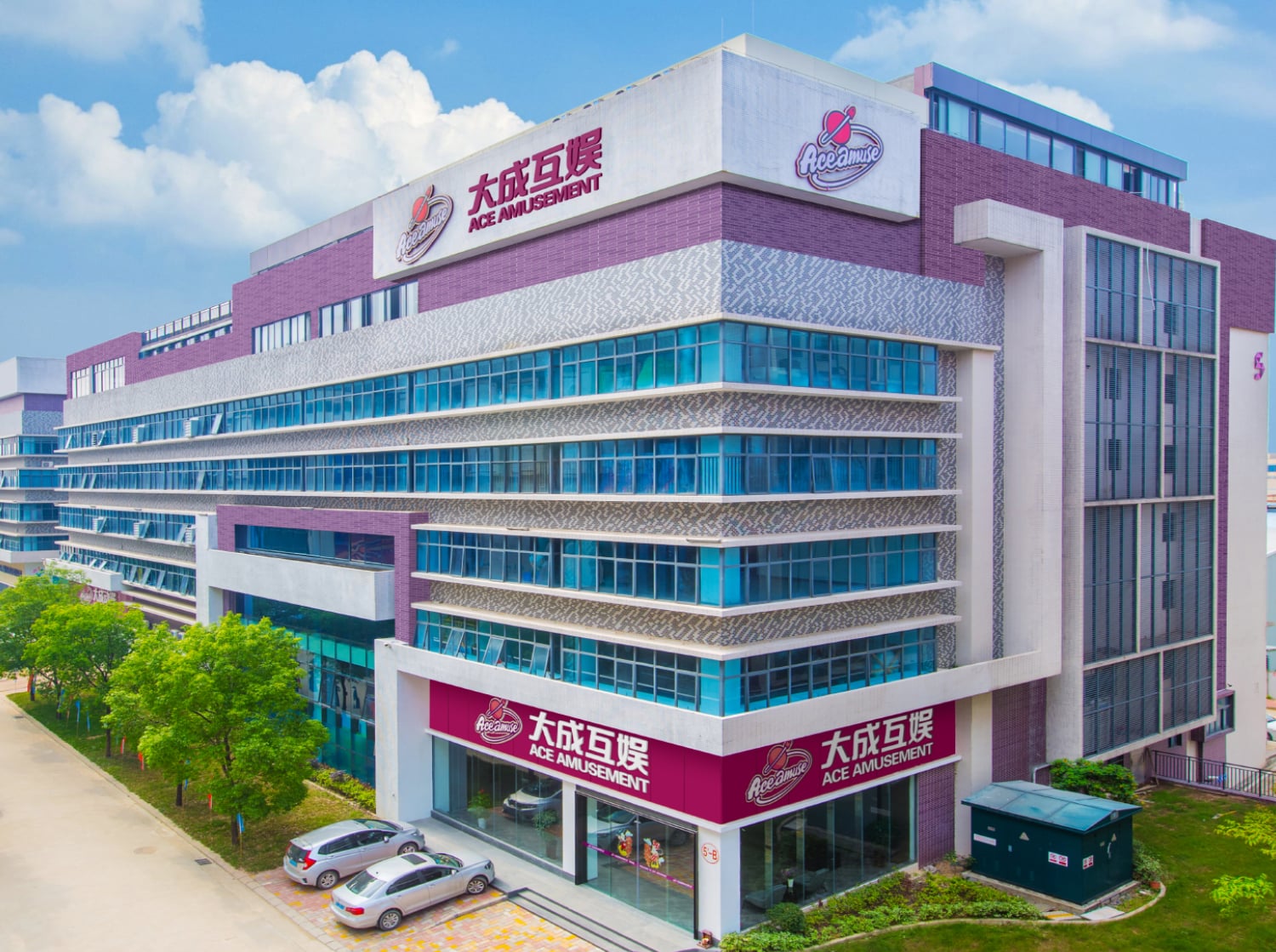
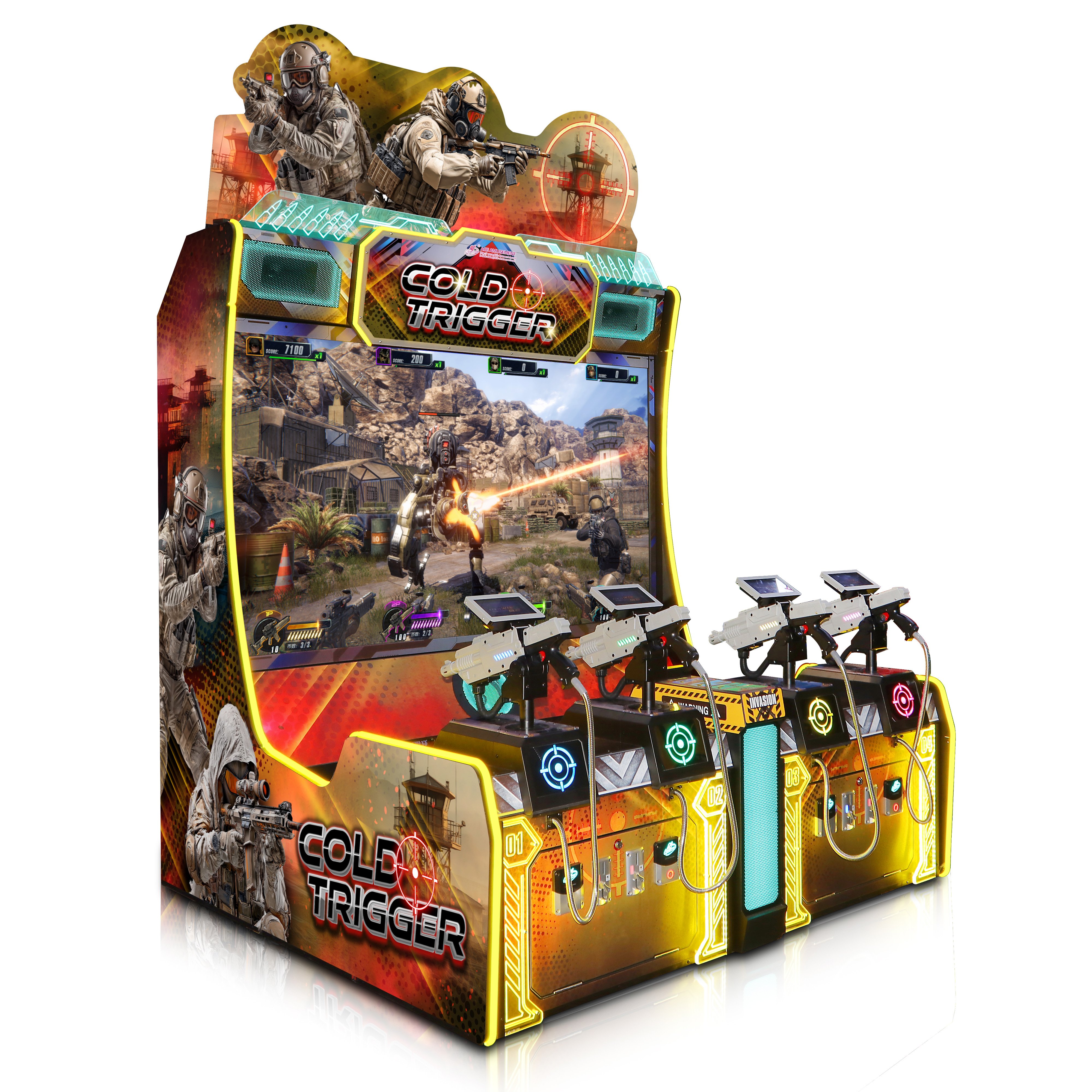
ACE Amusement Technologies launched three new arcade systems at the exhibition, including hybrid redemption games that combined physical play with digital leaderboards. Their 8-player water shooting carnival game attracted over 4,000 live demonstrations, with 73% of surveyed operators identifying its multiplayer features as commercially viable (Amusement Industry Survey 2021).
ACE managed to lock down deals with six big distributors throughout Vietnam, Indonesia, and Japan last year. These markets alone accounted for nearly 60% of the entire Asia-Pacific region's arcade revenue boost in 2021. Working together with the biggest family entertainment center chain in Malaysia gave them instant entry into 43 busy locations right away. This kind of partnership really shows how valuable attending industry events can be when building out distribution channels that actually scale well over time.
Within 12 months, ACE achieved an 185% revenue increase in Southeast Asia and expanded technical support to 17 new cities. Its flagship redemption machines maintained 92% uptime across 214 installations—a 34% improvement over earlier models—establishing ACE as a leader in reliable, next-generation amusement solutions.
From 2018 to 2021, VR/AR adoption among arcade operators rose 142% (Global Interactive Entertainment Report 2022), driven by demand for immersive experiences. Manufacturers increasingly integrated gesture-based controls and cashless payments to meet consumer expectations for seamless, contactless gameplay.
Despite ongoing travel restrictions, attendance reached 27,000—78% of pre-pandemic levels—indicating strong pent-up demand. The hybrid participation model supported 340 exhibitors from 12 countries, and floor space utilization exceeded 2019 levels by 9% (GTI Expo Post-Event Analysis 2022), validating the resilience of in-person exhibitions when augmented with digital tools.
Over 40% of exhibitors featured IoT-enabled solutions, including AI-powered prize redemption and cloud-based management dashboards. One interactive basketball game with real-time leaderboards achieved triple the engagement of traditional units, illustrating the commercial potential of connected, data-driven attractions.
Analysts project a 22% CAGR for Asia-Pacific’s smart amusement sector through 2025, fueled by large-scale VR arenas and mixed-reality carnival games. Building on the success of its blended format, the GTI Guangzhou Exhibition is poised to become a testing ground for advanced attractions incorporating biometric feedback and haptic response technologies.
The GTI Guangzhou Exhibition is a major event for arcade and amusement businesses in Asia, showcasing the latest industry technologies and trends. It serves as a platform for business networking and international collaboration.
Despite travel restrictions, the 2021 event saw strong attendance, indicating high pent-up demand. The hybrid format allowed for participation from 340 exhibitors, exceeding 2019 levels in floor space utilization.
The 2021 exhibition highlighted trends like VR/AR adoption, IoT-enabled solutions, AI-powered systems, and the integration of gesture-based controls and cashless payment systems in amusement equipment.
The GTI Guangzhou Exhibition is expected to continue growing, serving as a hub for innovation in the amusement industry, especially in smart technologies and advanced attractions.


 Hot News
Be the first to get our latest styles and offers.
#5 Building,No.6,HengFeng 6 Road,GangKou Town,Zhongshan,Guangdong P.R CHINA
Copyright © 2025 by ACE Amusement International Co., Ltd.
 EN
EN