A traditional arcade machine captures attention for 3–5 minutes per play session. The player inserts a coin, completes a round, and either continues or moves on. A VR-equipped arcade machine extends that engagement window to 15–25 minutes — not because the game is longer, but because the player's brain is processing the experience at a different level. The headset eliminates visual distractions. The motion tracking makes physical movement part of the game. The spatial audio creates directional sound cues that deepen immersion. The combination produces a state that game designers call "presence" — the psychological sensation of being inside the game rather than observing it from outside.
The arcade industry's VR adoption is driven by measurable engagement metrics, not novelty value. Venues that replaced 20% of their standard cabinet floor space with VR arcade machines reported average session duration increases of 3–5x and per-square-foot revenue gains of 40–60% in the first six months after installation, according to operator surveys compiled by the amusement trade press. The economics work because VR delivers an experience that players cannot replicate at home with a console — the high-end motion platforms, multi-sensory feedback, and multiplayer VR setups that define the commercial arcade VR segment remain beyond consumer price points.
Consumer VR headsets track head position and limited hand movement through controllers. Commercial VR arcade machines add full-body tracking, motion platforms that tilt and vibrate in response to in-game events, and haptic feedback systems that deliver physical sensations — gun recoil, steering wheel resistance, wind simulation — synchronized to on-screen action. The motion platform on a racing VR machine, for example, pitches forward during braking and banks during cornering, engaging the player's vestibular system (the inner-ear balance mechanism) to create a physical sensation of movement that visual-only VR cannot produce.
ACE Amusement integrates these technologies into arcade machines designed for high-traffic commercial environments. The Dragon Kingdom VR, exhibited at the 2023 Zhongshan International Game & Amusement Expo, combines a motion-synchronized seat platform with VR headset integration, creating a ride-like experience that appeals to the 8–35 age demographic that arcades depend on for repeat visits. The machine's durability engineering — reinforced frame joints, commercial-grade actuators rated for 50,000+ cycles, and quick-release headset mounts for sanitization between sessions — addresses the maintenance concerns that operators cite as the primary barrier to VR machine adoption.
Single-player VR creates individual immersion; multiplayer VR creates social experiences that drive group spend. A group of four friends entering a VR arena simultaneously will collectively spend 4–6x the revenue of four individual standard arcade plays, and the social dynamics — competition, cooperation, shared experience — produce the kind of memorable outing that generates word-of-mouth referrals. Multiplayer VR shooting games, racing simulators with linked cabinets, and cooperative adventure experiences represent the fastest-growing segment of the commercial VR arcade market.
A family entertainment center in Dubai replaced four underperforming standard racing cabinets with two ACE Amusement twin VR racing simulators — the Racing Xtreme DX with quad-monitor setup and motion-synchronized seats. The floor space occupied by the new installation was identical to the old (approximately 12 square meters), but monthly revenue from that floor section increased from 2,400 to 5,800 — a 142% gain — within three months. The operator attributed the increase to three factors: the VR experience commanded a higher per-play price (8 vs. 3), the average group size was larger (2–4 players versus 1–2), and the machines attracted social media attention that the standard cabinets never generated.
VR arcade machines require 6–12 square meters per unit including the player area, safety zone, and operator access. Multiplayer VR setups need proportionally more space. ACE Amusement provides dimension specifications (e.g., Ace Striker 4PL at W198 × D193 × H282 cm) with recommended clearance zones for each machine model.
Commercial VR machines from manufacturers like ACE Amusement are engineered for high-cycle operation with reinforced components, sealed electronics compartments, and modular designs that allow individual component replacement. Routine maintenance consists of headset sanitization between sessions, weekly inspection of motion platform actuators, and monthly software updates.
Operators report ROI timelines of 8–14 months for VR arcade installations, driven by higher per-play pricing (5–12 versus 1–3 for standard cabinets), longer player dwell times, and increased repeat visitation rates. The ROI calculation should include the machine cost, installation, operator training, and a maintenance budget of approximately 5–8% of purchase price annually.
Most VR arcade machines are designed for ages 8 and up, with adjustable headset sizing and content appropriate for family audiences. ACE Amusement's VR product line includes age-appropriate content and adjustable difficulty settings. Operators should verify age recommendations for each specific game title.
Commercial VR machines incorporate quick-release, cleanable face cushions, disposable hygiene covers, and UV sanitization stations for headsets between sessions. ACE Amusement designs headset mounts for rapid removal and replacement, allowing operators to rotate sanitized headsets through the machines without downtime.
VR arcade machines typically require 2000–3000W of dedicated electrical capacity per unit (Ace Striker 4PL: 2500W). Multiplayer setups may require separate circuits. Operators should confirm voltage compatibility (110V/220V) and circuit capacity with the manufacturer before ordering, and plan electrical infrastructure during the venue layout phase.

Be the first to get our latest styles and offers.
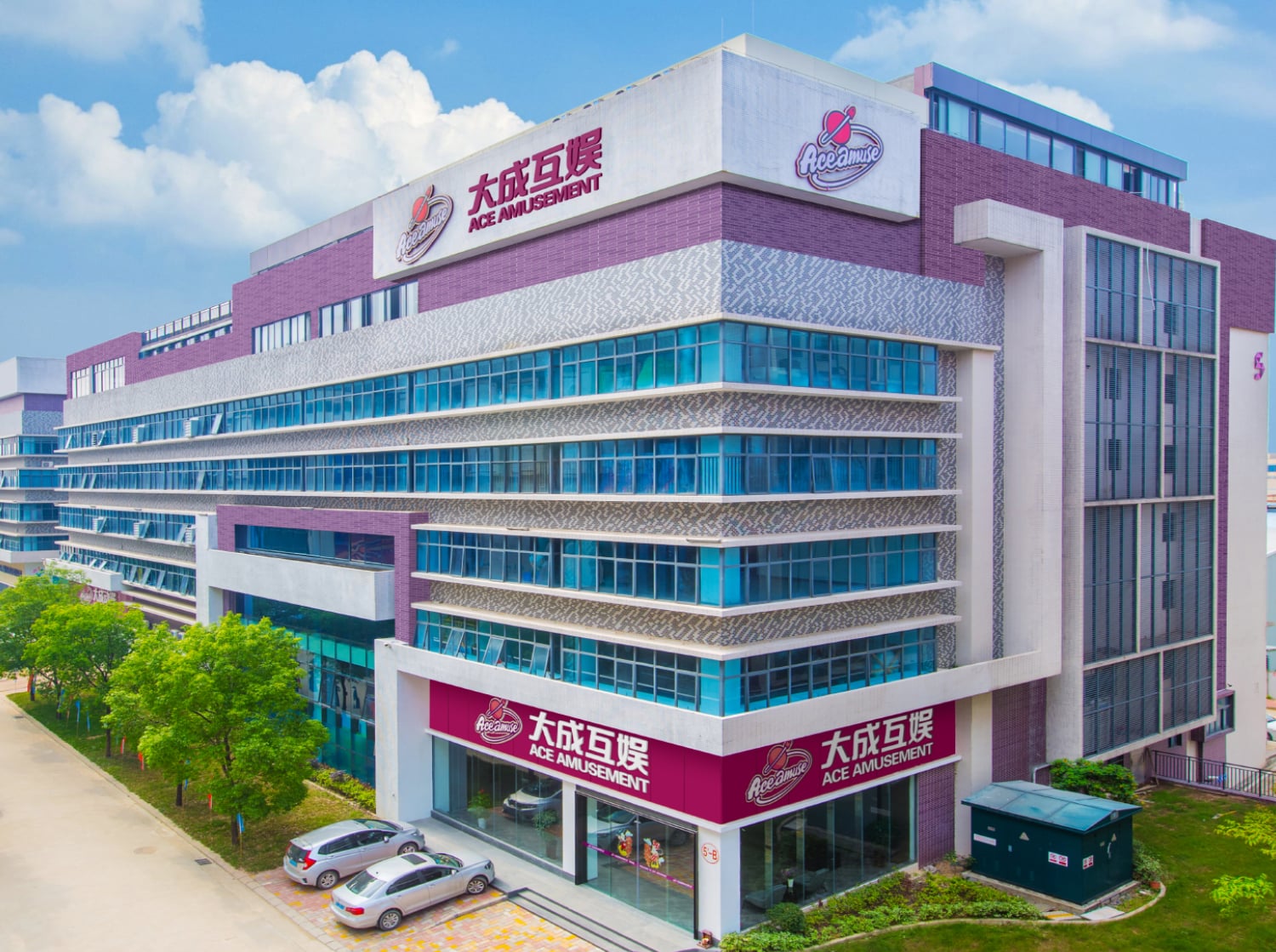
#5 Building,No.6,HengFeng 6 Road,GangKou Town,Zhongshan,Guangdong P.R CHINA
Copyright © 2025 by ACE Amusement International Co., Ltd.
 EN
EN


 Hot News