
 EN
EN
What Arcade Equipment Does a New FEC Need Beyond Just Game Machines?
Walk into almost any successful family entertainment center and your eye immediately goes to the arcade equipment on the floor — the game cabinets — the flashing screens, the racing simulators, the claw machines lined up along the wall. The arcade equipment on the floor is the product your guests actually pay to use. But if you've spent time talking to operators who've been through an FEC launch, most of them will tell you the same thing: sourcing the right arcade equipment was the easy part. What caught them off guard was every other system and asset required to make that arcade equipment actually generate revenue day after day.
This checklist is built for new FEC owners who are deep in the procurement phase and want to make sure they haven't overlooked the supporting infrastructure that keeps an FEC running alongside the headline arcade equipment purchases. Because the arcade equipment is just one layer of what a fully operational venue requires.
1. Payment and Access Systems
Before a single player can touch a piece of arcade equipment, your venue needs a way to accept payment and grant access. Most modern FECs have moved away from coin-only systems toward rechargeable play card setups, and for good reason: they increase average spend per visit, reduce cash handling costs, and make it easier to run promotions alongside your core arcade equipment offer.
- Card dispensing and loading kiosks: Self-service terminals where guests purchase and reload play cards. Plan for at least one kiosk per 500–800 square feet of active floor space, positioned near the entrance where first-visit bottlenecks tend to form.
- Token dispensers: If your arcade equipment lineup still runs on tokens, token dispensers or change machines are essential. Many operators run hybrid setups during a system transition.
- POS terminals at the main counter: Staff-operated terminals for card sales, prize exchanges, party bookings, and refunds. This is operationally distinct from self-service kiosks.
- Card readers integrated with each arcade equipment unit: If you're running a cashless card system, every piece of arcade equipment on the floor needs a compatible card reader. This is a commonly overlooked budget line — operators receive a bulk arcade equipment order and then realize the card readers require separate sourcing and installation.
2. Redemption Counter and Prize Inventory Area
Redemption is one of the most consistent revenue and repeat-visit drivers in commercial FEC operations. Players earn tickets or points through your arcade equipment, they want to exchange those tickets for prizes, and that cycle of earning and spending keeps them coming back. But the redemption machines are only one element — the physical prize counter and inventory system require their own dedicated setup.
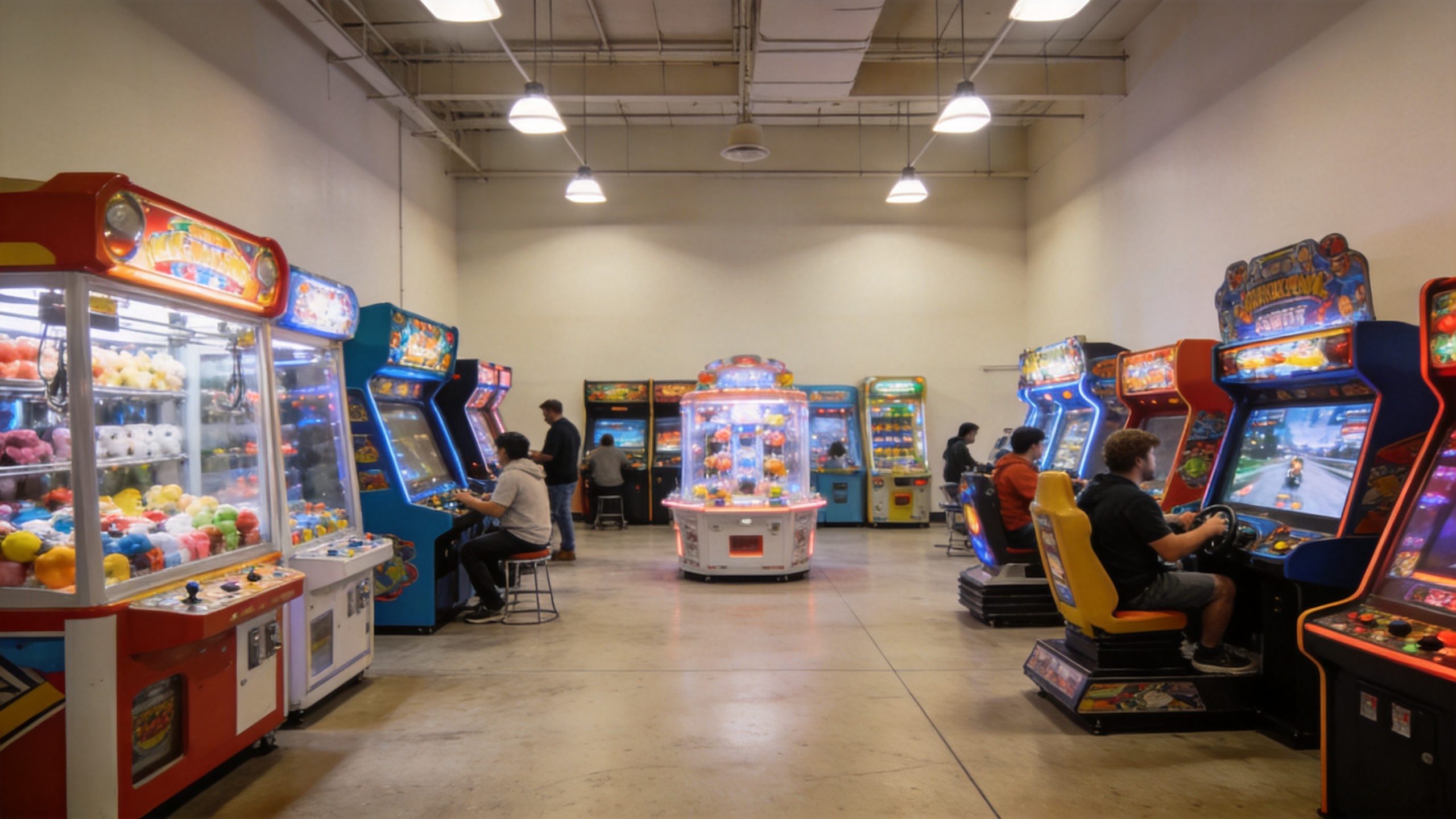
- Display cases and prize shelving: Prize visibility motivates redemption activity. Enclosed cases work well for higher-value items; open shelving suits everyday prizes. The quality of your prize counter display directly affects how guests perceive the value of your arcade equipment experience.
- Redemption kiosk terminals: Automated ticket counting and prize selection terminals reduce staff workload and queue times during peak periods.
- Ticket sorting and counting equipment: Manual counting is a serious operational drain as your arcade equipment generates volume. Automated ticket counters pay for themselves quickly in staff hours saved.
- Prize storage and inventory tracking: A dedicated storage area with labeled shelving and a basic inventory system. Running out of popular prize stock mid-weekend is a guest experience failure that advanced planning can easily prevent.
More arcade equipment variety doesn't automatically translate to stronger redemption revenue. Operators who maintain a focused, well-stocked prize selection tend to see better redemption uptake than venues with wider but poorly organized prize counters.
3. Lighting, Sound, and Atmosphere Infrastructure
Atmosphere is what separates a venue guests want to return to from one they simply pass through. This doesn't require expensive theming, but it does mean investing in foundational environment elements that work alongside your arcade equipment floor.
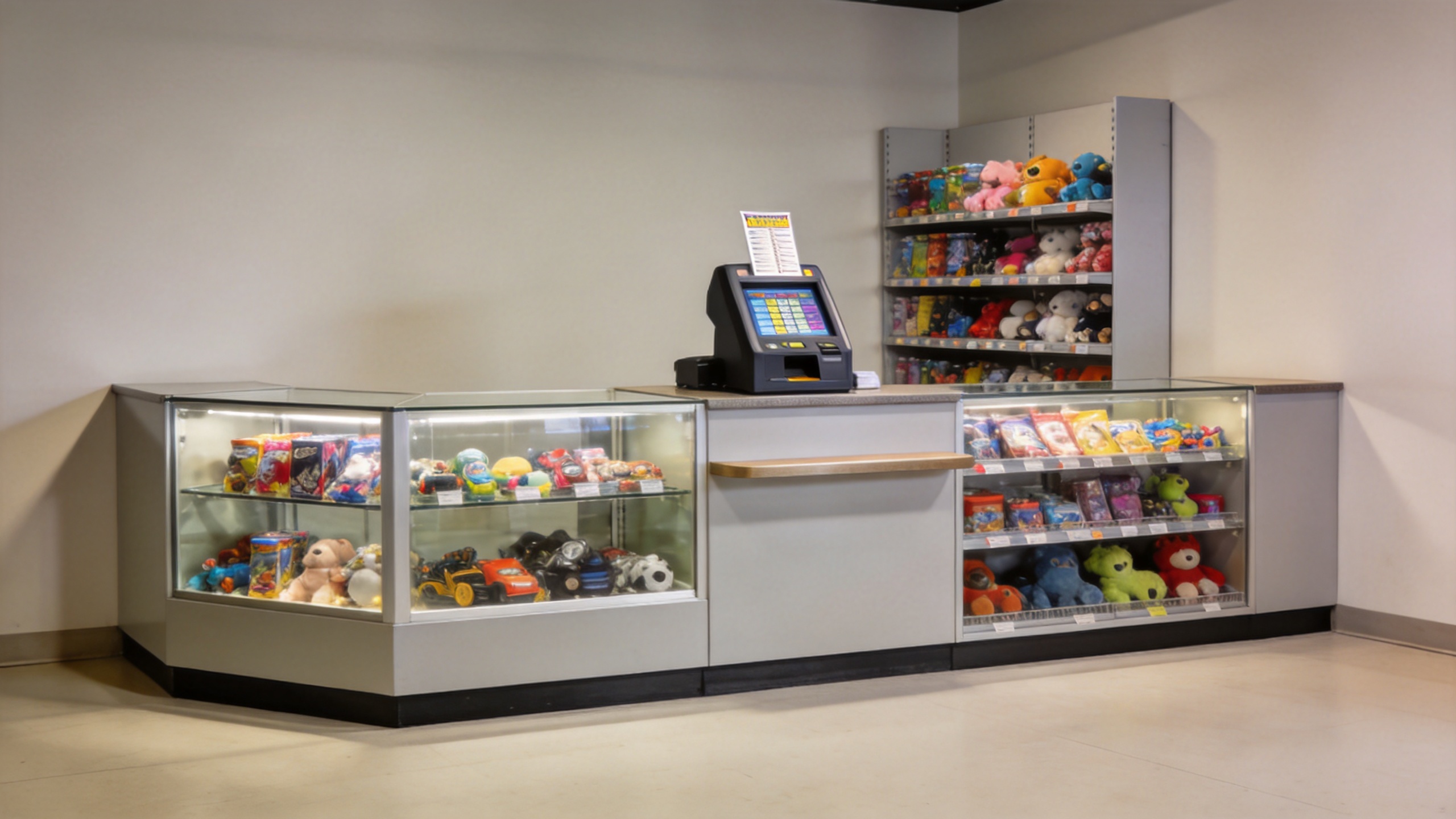
- Venue lighting rigs: Controllable LED overhead lighting that adjusts in brightness and color temperature based on time of day or event type. Strong ambient lighting suits younger children around daytime arcade equipment; darker, more atmospheric settings drive engagement for older players and evening crowds.
- Sound management: A busy arcade floor generates significant noise from arcade equipment. A basic commercial PA system that allows background music to be managed separately from game audio helps maintain a pleasant and controlled environment.
- Entrance and wayfinding signage: Branded entrance signage and clear directional signs for bathrooms, the redemption counter, and arcade equipment zones. Guests who feel oriented stay longer and spend more.
4. Arcade Equipment Safety and Compliance
Commercial entertainment venues have specific safety obligations that sit alongside the arcade equipment itself. These requirements apply to the building and venue systems, not just the arcade equipment units. New operators sometimes underestimate how much additional equipment is required to meet these standards before opening day.
- Fire suppression and extinguishers: Positioned to meet local code requirements, not simply placed near the entrance for appearances.
- First aid station: A stocked and accessible first aid kit near the main counter is a basic requirement. For venues with ride-type arcade equipment or larger floor areas, a designated first aid area is worth the space allocation.
- Emergency stop systems: Certain categories of ride-type arcade equipment require accessible emergency stop controls. Review your local requirements with your arcade equipment supplier before finalizing the floor layout plan.
- CCTV and surveillance: Surveillance coverage protects guests, staff, and the business. It's increasingly required by commercial landlords and supports insurance documentation for arcade equipment incidents.
5. Maintenance Supplies and Workshop Setup
Every piece of arcade equipment will eventually need servicing: a jammed ticket dispenser, a card reader calibration issue, or a screen fault. Having basic tools and spare parts on-site reduces downtime significantly and keeps your arcade equipment earning instead of sitting idle.
- Basic electronics toolkit: Screwdriver sets, multimeters, cable testers, and cleaning supplies suited to arcade equipment cabinet maintenance.
- Spare parts buffer stock: Fast-moving consumables like ticket rolls, card stock, and common fuses. For imported arcade equipment, spare parts lead times can run several weeks. Identify the high-failure components for your specific machines and hold buffer inventory from the start.
- Per-machine maintenance logs: A simple log that tracks issues, repairs, and service intervals for each piece of arcade equipment. This becomes essential data when evaluating machine performance and lifecycle replacement decisions.
6. Staff Support Infrastructure
Floor staff are the live operational layer of your venue. Their ability to respond to arcade equipment issues, assist guests, and manage peak traffic depends on having the right tools and infrastructure behind them.
- Headset or radio communication system: For larger venues, radio headsets allow staff to coordinate across zones without leaving their positions near the arcade equipment floor.
- Staff counter and cash handling setup: A dedicated counter with a cash drawer, receipt printer, and storage for prize exchange processing and card transactions.
- Back-office computer or tablet: For managing bookings, reviewing transaction data, and monitoring revenue performance across your arcade equipment categories.
Thinking Beyond the Machine List
Most experienced FEC operators describe a shift: moving away from asking "which arcade equipment should I buy?" to "what does my entire floor need to function as a complete guest experience?" The arcade equipment cabinets are your core revenue product. But it's the payment system that converts guest intent into spend, the redemption counter that brings them back for another visit, the lighting that shapes the mood, and the maintenance setup that keeps every piece of arcade equipment earning through its commercial lifespan.
When sourcing arcade equipment and the operational infrastructure around it, working with a supplier who understands the full scope of an FEC build — not just individual machine specifications — reduces the number of gaps you have to close after opening day. Look for suppliers with depth across arcade equipment categories and the after-sales capability to support your venue with parts availability and technical assistance over time.
Plan for these categories from the procurement stage, and you'll be better positioned to open strong, run efficiently, and handle your first peak season without scrambling to fill the gaps that the machine list alone doesn't cover.


 Hot News