Оператори аркада прате приход по квадратном футу на начин на који малопродајне продавнице прате продају по квадратном футу јер је површина подних просторија ограничење фиксних трошкова које одређује профитабилност. За забавни простор од 5.000 квадратних метара са месечним закупним платом од 12.000 особа, трошкови за под су 2,40 на квадратни метар месечно. Машина која заузима 15 квадратних метара мора да генерише најмање 36 долара месечно само да покрије трошкове за простор и то пре електричне енергије, одржавања и марже оператера. Машине које побеђују су оне које сусаде највећи приход у најмањи отпечатак.
Подаци из анкета оператера и индустријских референтних података указују на три категорије које су константно боље у мерилима прихода по квадратном футу: игре за откупљање, VR симулатори покрета и конкурентне игре вештина. Свака категорија постиже високу густину прихода кроз другачији механизам принуда на понављање игре за игре за откупљање, премијска цена за ВР и друштвена конкуренција за игре вештина. Разумевање ових механизама омогућава оператерима да распореде површину за врсте машина које најбоље одговарају демографском профилу и конкурентној позицији њиховог простора.
Игре за откуп билета где играчи зарађују карте које се могу откупити за награде генеришу приход не кроз једну игру већ кроз присилу играча да акумулише довољно карта за жељену награду. Играч који циља средњу награду која захтева 500 билета при просечној стопи зараде од 15 билета по утакмици потрошиће 33 пре него што исплати, у 33 појединачна утакмица. Стандардни аркадни кабинет са 1 по игрању и просечним трајањем сесије од 3 минута може видети да исти играч потроши $ 355 пре него што настави. Механика откупљања претвара посетиоце који су једном завршили у репродуциране играче у току једне посете.
АСЕ Амунемент производи машине за откуп, укључујући Cool Boy, Genie's Jewel и Balloon игре које комбинују игру засновану на вештинама са видљивом акумулацијом билета. Визуелна повратна информација гледања како се бројилац билета поплови ствара психолошки ефекат који је документован у истраживању понашања: играчи који су близу достизања прага билета су значајно вероватнији да ће поново играти од играча који су лоше извели, јер мозак тумачи "скоро Овај механизам, у комбинацији са бројиоцем за приказивање награде који привлачи играче у зону откупљања, производи највећи однос времена боравка на стазу било које категорије аркадних машина.
VR машине оправдавају свој већи отпечатак (обично 1015 квадратних метара) кроз премију по цене за игру 512 у поређењу са 13 за стандардне ормаре. У 8 играња по игрању и 8 играња по сату током пик периода, VR тркачки симулатор генерише 64 / сат од 15 квадратних метара, или отприлике 4,27 на квадратни фут по сату. Стандардни тркачки ормари са 2 по утакмици и 15 утакмица по сату генеришу 30 од 8 квадратних метара 3.75 по квадратном метару по сату. Предност ВР машине у приходу по квадратном футу је скромна по сату, али се склапа током целог радног дана јер премијум искуство одржава потражњу и у не-пик часовима када се стандардна игра кабинета смањује.
Racing Xtreme DX и Dragon Kingdom VR компаније ACE Amusement су пример ове категорије седишта синхронизована са покретом, екрани или VR слушалице и повезивање вишеиграча које претвара индивидуалну игру у групова искуства. Машине заузимају више простора од игара за откуп, али компензују преко веће вредности по трансакцији и ефекта "привлачности дестинације" VR машине привлаче купце у место које не би посетиле само за стандардне аркадне игре.
Кошаркашки стрелачки игри, столови за ваздушни хокеј и галерије за стрелачки играч за више играча Игра на кошаркаши и Галакси Рејнџерс 2ПЛ спадају у ову категорију генеришу приход кроз конкуренцију главе у главу. Два играча која се такмиче у вештини играју обично 35 рунда, удвостручавајући приход по машини у поређењу са играњем за једног играча. Социјална динамика гледаоци гледају, победници бранили своју низу, губитници захтевали реванш ствара органски пешачки саобраћај око машине који привлачи додатне играче. Осетљивост је умерен (812 квадратних стопа), а цена по игрању ($13) је стандардна, али мултипликатор за групу играња може повући ефикасан приход по квадратном metru изнад и откупних и ВР машина током врхунских друштвених сати.
Поднос оптимално оптимизовани забавни спрат додељује око 2530% простора за игре избављања близу призовног бројача, 1520% за ВР / премијум искуства као дестинације заглавља у задњи или угловима, и 3035% за конкурентне вештине у високо видљивим централним пози Остали простор је за класичне видео кабинете и за дечије возило које служе као забава, а не као приход. Специфична расподела варира по демографији простора породични центар забаве склоњен је према искупљу и дечијим вештинама; одрасли оријентисани баркада склоњена је према такмичарским играма и ВР искуствима.
Истраживања у индустрији извештавају о просеку од 200400 на квадратни фут годишње за добро управљане аркаде, са највишим квартилом места који прелазе 600. Зоне за играње могу да пређу 1.000 долара годишње по квадратном metru када су оптимално постављене близу призових бројача. Асортиман производа АСЕ Амунемент-а омогућава оператерима да помешају категорије за профил густине прихода који одговара њиховом месту.
Типични однос је 1520 машина на 1.000 квадратних метара, укључујући и површину играча и простор за циркулацију око сваке машине. Конфигурације са већом густином (више од 25 машина на 1.000 квадратних метара) могу се направити компактним играма и зидним ормарима, али могу смањити приход по машини ако гужва одвраћа игру.
Видиви број награде се значајно повећава игра за откуп приход играчи су мотивисани гледањем награда које могу да освоје. Премијски бројник треба да буде постављен у близини зоне за откупну игру са јасном страном од позиција у игри. АСЕ Амунемент пружа препоруке за приказивање награда са својим инсталацијама за откупљање.
Оператори треба да мењају положаје машина сваких 612 месеци и уводе 12 нове машине годишње како би се одржала перцепција новине. АСЕ Амунемент сваке године објављује нове наслове игара у својим категоријама избављања, пуцања и трке, пружајући оператерима свежи садржај за освежавање свог пода без замене свих машина.
Стандардни рејдпонг и видео ормари захтевају 5001,500Вт по јединици. Вир и симулатори покрета захтевају 2.0003.000 Вт (нпр. Аце Страјкер 4ПЛ: 2.500 Вт). За 20 машина са просечним напоном од 1.200 Вт по машини потребно је око 24 КВт електричног капацитета плус ХВЦ допуштање за распршивање топлоте. Електричко планирање треба завршити пре наручења како би се избегле скупе надоградње након инсталације.
Игре за откуп обично постижу најбржу исплату (610 месеци) због њихове механике понављања и компактног стапања. ВР машине имају дуже периоде окупације (1016 месеци), али генеришу већи апсолутни приход по машини. Оптимална комбинација зависи од доступне површине и циљне демографске групе Специјалисти за апликације АСЕ Амументације могу пружити пројекције прихода за одређене локације.
 Топла вест
Будите први који ћете добити наше најновије стилове и понуде.
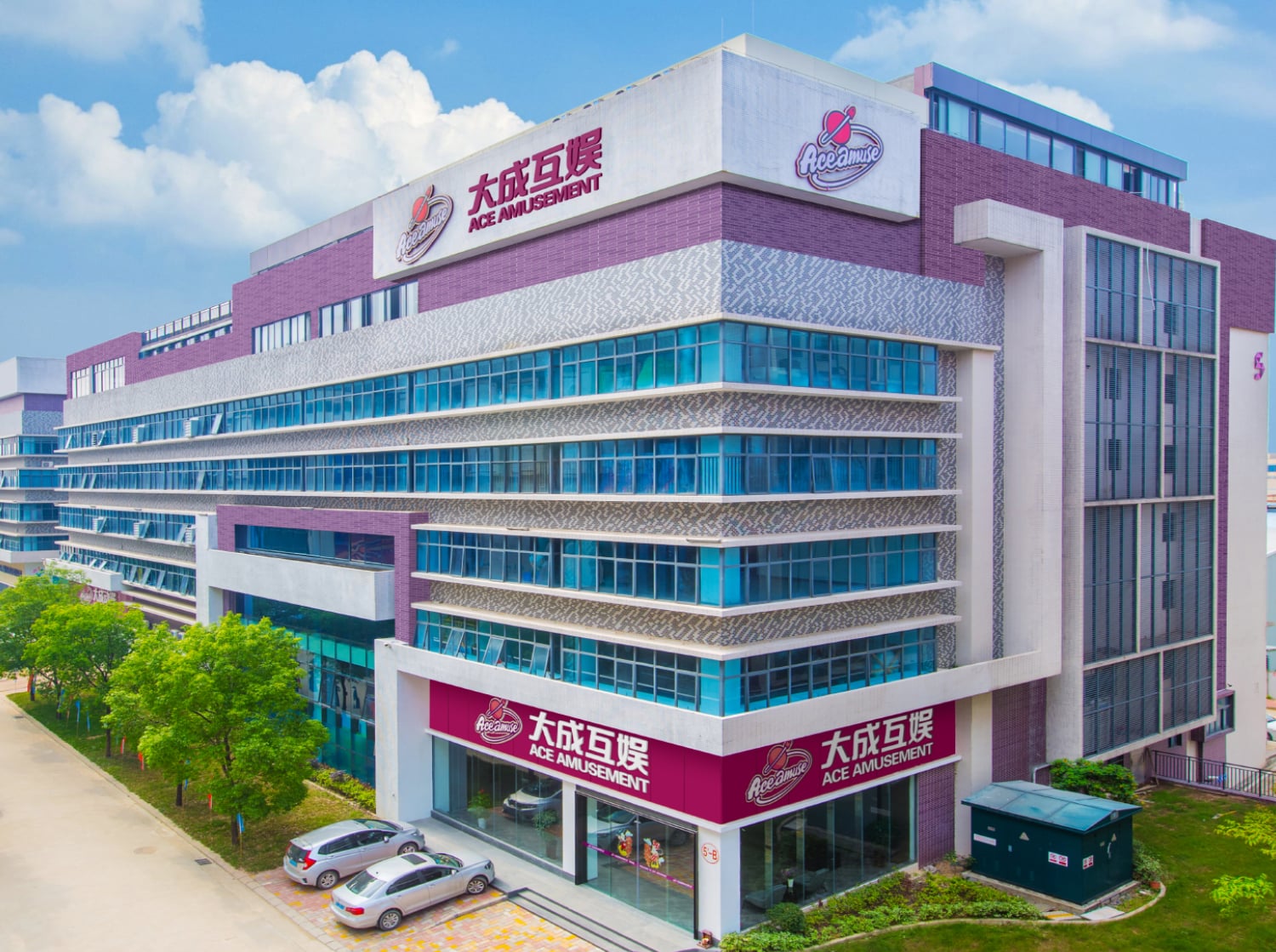
#5 Building,No.6,HengFeng 6 Road,GangKou Town,Zhongshan,Guangdong P.R CHINA
Copyright © 2025 by ACE Amusement International Co., Ltd.
 EN
EN


