A room full of the same type of amusement center game generates flat revenue. Players cycle through, spend their budget, and leave — no reason to stay longer or return. The venues that outperform on per-square-foot earnings do not stock more machines. They stock the right mix. Understanding which game categories drive different revenue behaviors — and how they interact when placed together — separates a profitable family entertainment center from one that merely covers its lease.
Redemption games — where players earn tickets exchangeable for prizes — generate the highest repeat-visit rate of any amusement center game category. The behavioral loop: a player accumulates partial progress toward a desired prize, leaves with tickets in hand, and returns to continue building toward redemption. Data from 142 FECs shows venues using real-time skill-matching algorithms achieve 23% higher per-customer spending than static-difficulty setups. Skill-based titles like basketball shootouts appeal to competitive players, while chance-based machines attract casual visitors. A healthy redemption section allocates roughly 60% skill-based and 40% chance-based units.
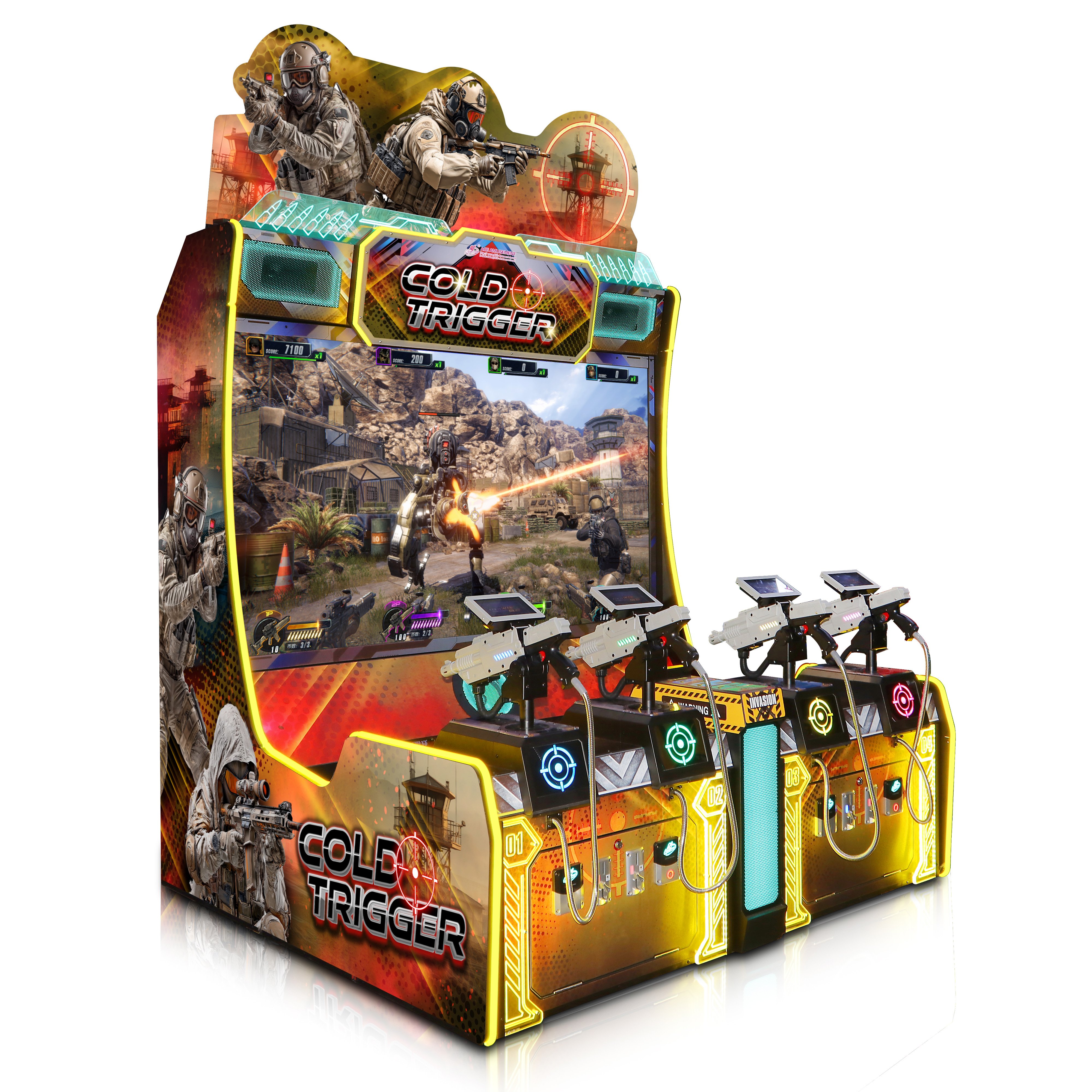
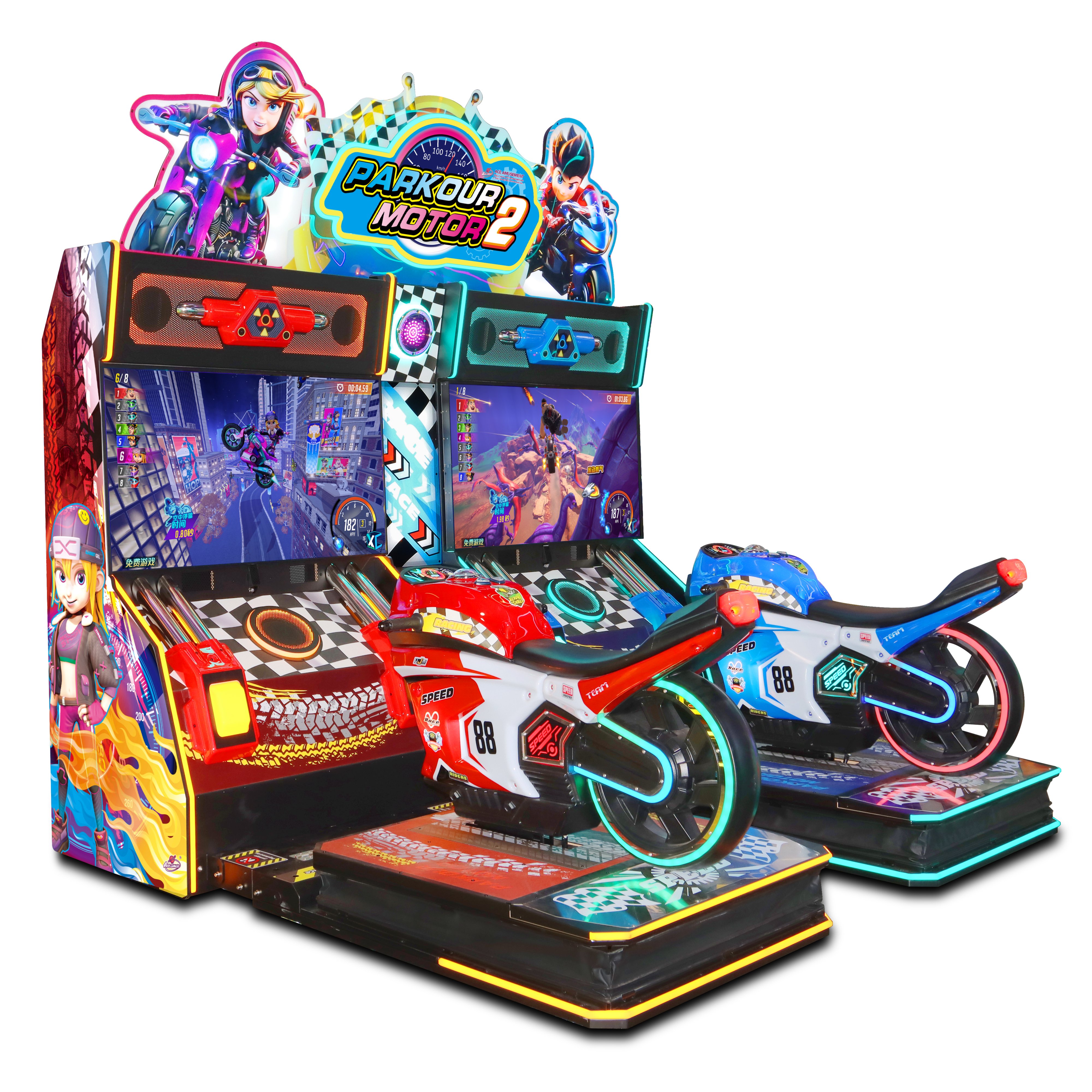
Classic coin-operated amusement center game cabinets — fighting games, racing simulators, and shooting galleries — produce consistent per-unit income with minimal staff intervention. These machines serve as the financial backbone, occupying modest floor space while attracting solo players who bypass redemption games. Coin-operated machines serve a crucial demographic function: teenagers and adults who feel too old for redemption counters stay on the premises, expanding the addressable age range.
Shooting galleries, basketball free-throw machines, and multiplayer racing simulators extend dwell time by encouraging replay. The player who scores 42 points inserts another coin to try for 50. Head-to-head units amplify this effect, converting solo spending into group rounds. Modular platforms with AI-driven difficulty adjustment boost replay rates by 61% while cutting costs by 25%. Placing competitive skill games adjacent to redemption counters creates a natural flow — players warm up on skill games, then convert momentum into ticket-earning attempts.
Field data from FEC operators coalesces around a practical allocation. Approximately 40% of the amusement center game floor should consist of redemption and ticket-based machines — this drives repeat traffic and highest per-visit spending. Roughly 30% goes to coin-operated arcade and video units providing stable baseline revenue. About 20% is allocated to skill-based competitive attractions that extend dwell time. The remaining 10% houses rotating novelty titles — VR experiences, seasonal themes, or new releases. This 40-30-20-10 model serves as a starting benchmark adjusted for demographics and local competition.
Machine placement affects revenue as much as machine selection. Redemption counters at the back pull traffic through the entire floor — visitors walk past coin-operated and skill games to reach the prize cabinet. Competitive multiplayer units near the entrance create audible energy. Solo machines — classic cabinets, puzzle games — belong along side walls. A basketball free-throw machine within sight of the redemption counter creates a natural behavioral bridge from competitive play to ticket-earning activity.
Even the optimal amusement center game mix degrades if titles never change. Venues refreshing 20–30% of their lineup annually maintain higher per-visit spending than static venues. A redemption section rotating three of ten machines annually keeps the prize-chase engaging. Software-updated video games refresh the experience at lower cost than hardware swaps. Modular arena systems, where 80% of components update without hardware replacement, let operators reconfigure the floor without capital-intensive purchases. Venues achieving the highest revenue per square meter replace any unit falling below the 40th percentile of its category within two quarters.
Timing refreshes around seasonal peaks — summer break, holiday shopping, back-to-school — maximizes the revenue impact of new machine introductions. A Halloween-themed redemption game deployed in October captures seasonal foot traffic, then rotates out for a winter-holiday title in December. Venues aligning game rotations with local school holiday calendars see 15–20% higher seasonal revenue than those refreshing on fixed calendar dates independent of local demand patterns. Per-machine coin-box counts and ticket-dispense logs provide sufficient signal for rotation decisions when compared month-over-month.
A 40-30-20-10 allocation serves as a starting benchmark: 40% redemption and ticket games for repeat traffic, 30% coin-operated arcade and video for baseline revenue, 20% skill and competitive games for dwell-time extension, and 10% rotating novelty titles. Individual venues adjust based on demographics and local competition.
Redemption games create a progress loop — players earn partial tickets toward a prize, leave with tickets unredeemed, and return to continue building toward redemption. Skill-matching algorithms that adjust difficulty dynamically increase per-customer spending by 23% compared to static-difficulty setups, based on data from 142 FECs.
A small center with 15–25 machines should cover at least four categories: redemption, coin-operated classics, competitive skill games, and at least one video-based attraction. Fewer than four categories creates a homogeneous experience that limits demographic reach and shortens average visit duration.
Replacing or rotating 20–30% of the game lineup annually maintains customer interest. Seasonal refreshes aligned with holidays or popular entertainment releases boost foot traffic. Software-updatable machines extend refresh cycles without hardware costs. Units falling below the 40th percentile of category revenue within two quarters should be replaced.
Placement significantly affects revenue. Redemption counters at the back of the venue pull traffic through the entire floor. Competitive multiplayer games near the entrance create audible energy that attracts passersby. Skill games placed within sight of redemption counters create a natural behavioral bridge from competitive play to ticket-earning activity.
Coin-operated arcade and video machines provide stable, forecastable baseline revenue with minimal staff intervention. They serve demographics — teenagers and adults — who may bypass redemption counters, extending the venue's addressable age range. These machines typically occupy 25–35% of floor space in the optimal mix.
 Hot News
Be the first to get our latest styles and offers.
#5 Building,No.6,HengFeng 6 Road,GangKou Town,Zhongshan,Guangdong P.R CHINA
Copyright © 2025 by ACE Amusement International Co., Ltd.
 EN
EN