Място, което изглежда еднакво при всяко посещение, тихо насочва клиентите да престанат да идват. Сезонната ротация на игрите в център за забавления променя това положение, като дава на постоянни посетители повод да се върнат, а на новодошлите — нещо, стойностно за снимка. Целта е устойчив ритъм от малки, обмислени промени, които поддържат оживеността на помещението, без да натоварват операционния бюджет.
Свежестта е инструмент за задържане на клиенти. Когато позната игра в център за забавления се премести на ново място или се появи сезонна заглавна игра, тази промяна преустановява менталната карта на заведението и подканва гостите отново да изследват пространството. Ротацията също стимулира устната реклама, тъй като новата атракция дава на постоянни посетители нещо, за което да споменат. Резултатът се проявява в честотата на посещенията, която е по-ценна за една година от всеки отделен холидей пик.
Сезонното ротиране изглажда кривата на приходите. Забавленията с водни струи и игри за печелене на награди, които привличат семейства през лятото, отстъпват място през зимата на атракции с движение и стрелба, които се използват в закрито. Промяната на смесицата от игри в забавителния център според това какво наистина искат гостите през всеки сезон предотвратява периодите с ниско посещение, които възникват при запазване на непроменена подредба на игрите през цялата година.
Един семейно-забавителен център използваше една и съща смесица от игри в забавителния център в продължение на две поредни години. Посещаемостта оставаше висока по време на училищните почивки, но силно намаляваше между сезоните, а персоналът забеляза, че едни и същи семейства напускат по-рано при повторни посещения. Операторът имаше нужда от начин да повиши посещаемостта в периодите с по-ниско търсене, без да увеличава площта.
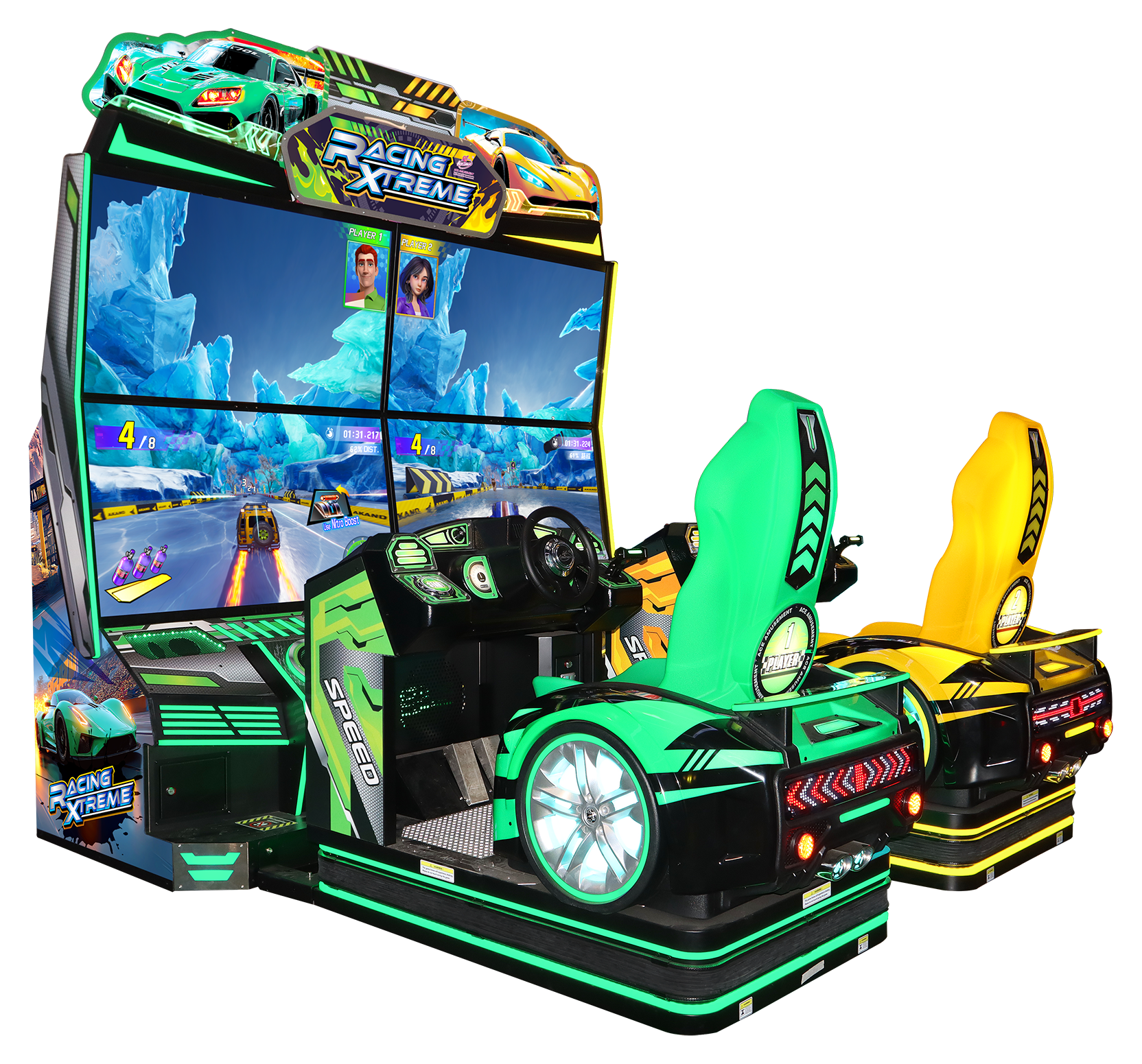
Операторът въвел лек план за ротация: два наградни заглавия били преместени напред през лятото, а четириигралната водна стрелба се сменяла с шофьорска кабина всеки сезон. Компактна умения игра, която доскоро била скрита отзад, била преместена до входа за квартална специална кампания. В рамките на два сезона посещенията в непикови часове нараснали, а времето, прекарано в заведението, се подобрило, тъй като постоянни посетители имали нещо ново за откриване. Промените стрували малко, тъй като повечето премествания използвали съществуващи игри от забавителния център.
Ротацията започва с цифрите, а не с предположения. Потокът от посетители по часове и дни, броят на играните партии за всяка машина и печалбата от билети или монети показват кои игри в забавителния център носят основната тежест и кои просто заемат място. Сезонен план, базиран на тези данни, позволява на оператора да ротира първо слабо представящите се игри, като в същото време защитава тези с висока доходност. Не всяка игра в забавителния център е лесно преместваема: компактни кабинети със стандартни габарити, прости електрически връзки и издръжливи корпуси се преместват лесно, докато прекалено големите или силно кабелирани единици е по-добре да останат на местата си. При планиране на подмяна имайте предвид ширината на вратите, максималната товароносимост на пода и дали целевото място разполага с подходяща електрическа верига.
Планирайте преместванията през затворени часове или по време на най-малко натоварения работен ден, за да не се загуби приход от пиковото време. Преди да преместите който и да е шкаф, проверете консумацията на електроенергия и потвърдете, че целевата електрическа верига е подходяща; освен това проверете маркировките CE, UL или FCC, когато е приложимо. Препоръките на OSHA се отнасят до безопасното вдигане и преместване на тежко оборудване, а стандартите на NFPA регулират електрическите работи в близост до машини с висока мощност. Чистото и гладко преместване гарантира, че играта ще продължи да генерира приход още на следващия ден.
Преместването е също естественият момент за поддръжка. Машината, която се изважда от игралната зала, може да бъде подложена на дълбоко почистване, инспекция за износени контролни елементи и актуализация преди връщането ѝ. Това поддържа целия арсенал в по-добро състояние с течение на времето и предотвратява малки неизправности, които могат да доведат до скъпо струващи простои. Доставчикът, който осигурява резервни части и ясни насоки за поддръжка, прави цикъла по-лесен за поддържане сезон след сезон.
Сезонното ротиране на игрите в забавителен център е дисциплина, а не трик. Действайте внимателно, опирайте се на данните и пазете най-печелившите игри – така заведението запазва единственото нещо, от което всеки оператор има нужда: повод гостите да се връщат.
Лека ротация всяка годишна четвъртина – с една или две промени в акцентираните позиции – добре функционира за повечето заведения. Пълната подмяна на цялата площадка рядко е необходима и може да обърка постоянните посетители. Ритъмът трябва да следва данните за посещаемост, така че по-спокойните периоди са най-подходящото време за промени, които възстановяват интереса преди следващия натоварен период.
Започнете с най-слабо представящите се игри според броя на изиграните партии и печалбата за машина. Пазете високо печелившите игри, които вече оправдават мястото си. Често преместването на игри с ниско трафик към по-видими позиции повишава техните показатели, докато оставянето на проверените машини на местата им осигурява стабилен доход.
Да, защото свежестта дава на редовните клиенти повод да се върнат. Промяната на пода нулира менталната карта на заведението и дава на гостите нещо ново за изследване и споделяне с други. Честотата на посещенията е мястото, където се проявява този ефект, а натрупването му през годината е по-добро от единичен празничен връх.
Потвърдете консумацията на електроенергия и съответствието на веригата в дестинацията, проверете свободното пространство за врати и ограниченията за товароподемност на пода, както и маркировките CE, UL или FCC, когато е приложимо. Планирайте преместването за часовете на затваряне или най-спокойния период и следвайте насоките на OSHA за безопасно вдигане и транспортиране на тежко оборудване.
Машината, която се изважда от пода, е естественият момент за дълбоко почистване, инспекция на износените контроли и актуализация на софтуера преди връщането ѝ. Ротацията поддържа целия арсенал в по-добро състояние и открива малки неизправности, преди те да доведат до скъпо струващи простои или загуба на приходи.
Да. Повечето смяни използват повторно съществуващите кабинети, като ги преместват на нови позиции или представят заглавие близо до входа за един сезон. Закупуването на автомати, подходящи за смяна, със стандартни размери от самото начало прави бъдещите замени по-евтини и по-лесни за изпълнение, без да се разширява подовата площ.
 Горещи новини
2026-10-21
2026-10-09
2026-09-29

Бъдете първите, които получават нашите най-нови стилове и оферти.
#5 Building,No.6,HengFeng 6 Road,GangKou Town,Zhongshan,Guangdong P.R CHINA
Copyright © 2025 by ACE Amusement International Co., Ltd.
 EN
EN