The quote that surprises first-time importers is rarely the ocean freight. It is the gap between a factory price for a coin-operated game machine and the moment that coin-operated game machine stands powered on inside a venue. One buyer loading a mixed order discovered halfway through packing that two large-screen cabinets could not pass through the container doorway assembled, so the crates had to be rebuilt and the load plan redone on the day of departure.
Packing starts on the factory floor, not at the port. Each coin-operated game machine leaves the line wrapped, crated, and strapped, and the way a coin-operated game machine is braced determines whether it arrives with its display intact.
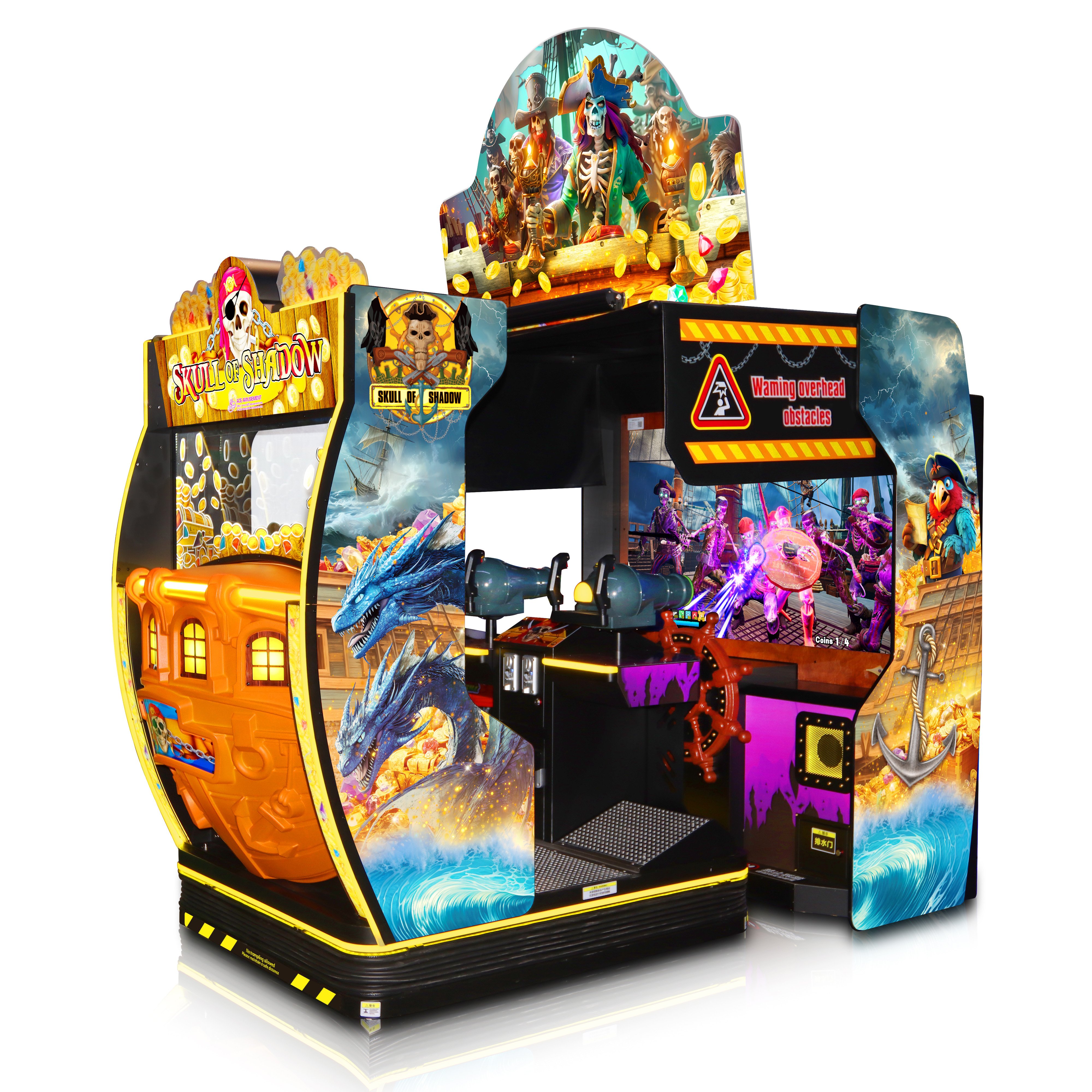
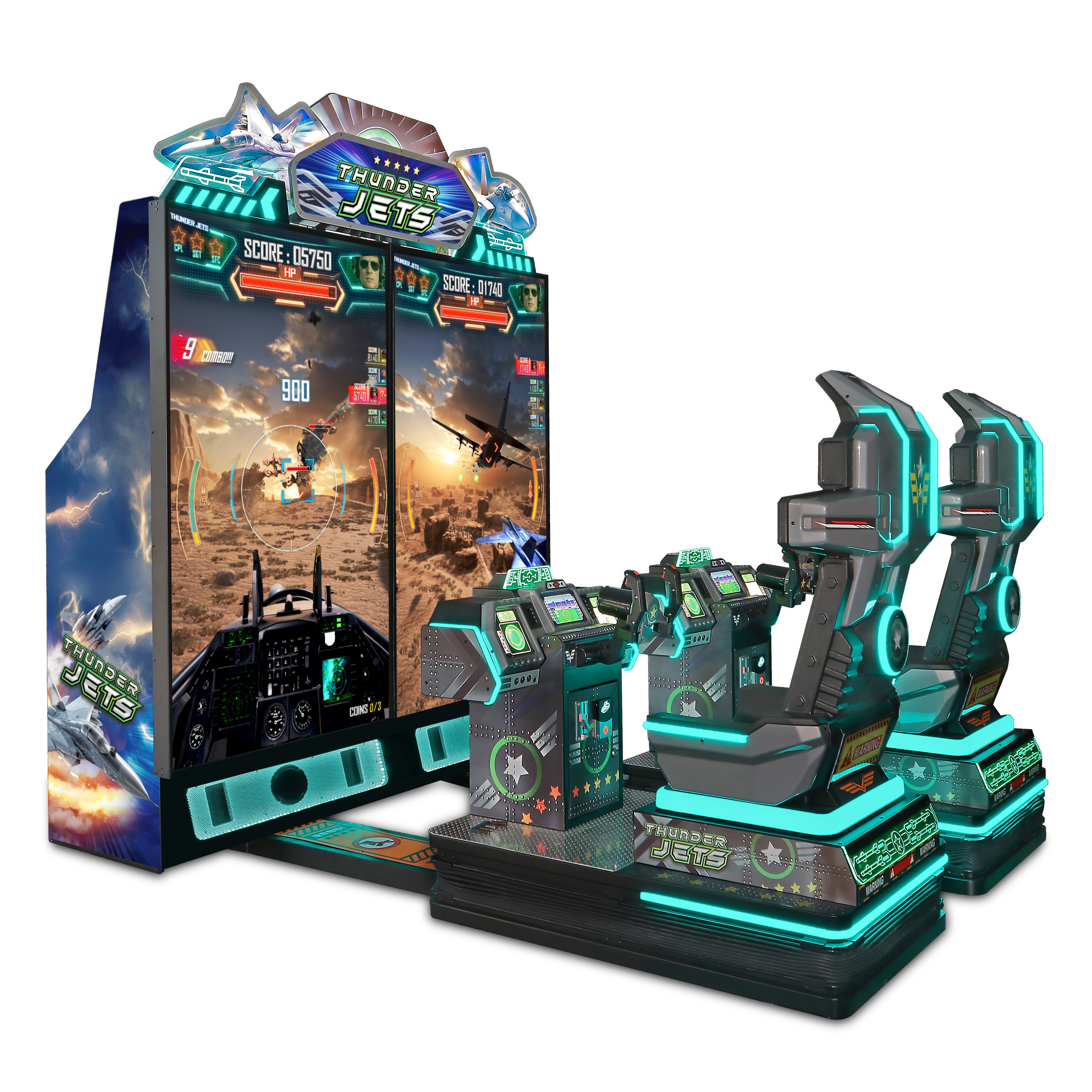
Measure the widest assembled dimension of every coin-operated game machine before booking a container. A cabinet that fits a showroom doorway can still fail a container opening once the crate, pallet base, and protective corner boards are added. Screen units and twin-seat cabinets are the usual offenders. Photos of the packed crate, with a tape measure visible, cost nothing and prevent a loading-day rebuild. Knocked-down packing saves volume but shifts assembly and calibration to the destination, which needs its own labour allowance.
Volume fills a container long before weight does for most arcade cargo, yet heavy motion bases change that arithmetic. A coin-operated game machine with a steel frame and a motion platform can push a mixed load toward the payload limit while plenty of floor space remains. Ask for a packing list showing gross weight and external crate dimensions per coin-operated game machine, then compare totals against the container’s usable volume and legal payload. SOLAS requirements for verified gross mass mean the declared weight must be accurate, not an estimate from a sales sheet.
An ex-works price for a coin-operated game machine covers the machine alone. Export crating, inland haulage to the port of loading, terminal handling, ocean freight, marine insurance, import duty under HS 9504, customs clearance, port charges, and final delivery each add a layer. A landed-cost worksheet should name every layer and state which Incoterms 2020 term applies, because FOB and DDP place very different obligations on the buyer of a coin-operated game machine. Comparing two quotes on unit price alone usually favours the supplier that omitted the most lines.
Ocean transit exposes a coin-operated game machine to humidity, salt air, and condensation cycles. Corroded connectors, fogged displays, and swollen particleboard turn up weeks after delivery, when a claim is harder to prove. Desiccant, vapour barrier wrapping, and corner protection are cheap relative to a failed coin-operated game machine. Photograph crate condition at the port and again at the venue, keep the packing list against serial numbers, and note any damage on the delivery receipt before signing. Insurance that excludes inadequate packing will not help if a coin-operated game machine was shipped loose on a pallet.
The useful calculation is external crate volume, not cabinet volume. Multiply length, width, and height of the packed crate for each coin-operated game machine, then sum across the order and add a realistic allowance for dunnage and unusable space. A 20-foot container and a 40-foot high-cube container differ substantially in usable volume, and a coin-operated game machine with a tall marquee can force a single-layer stack that wastes the air above it. Nesting smaller units inside the footprint of a larger coin-operated game machine is common practice, but only when the crates are designed to carry that load.
Buyers often ask how many machines fit in a container. The better question asks how many cubic metres of paid space a coin-operated game machine consumes and what it earns per square metre on the floor. A bulky low-earning unit can cost more to ship than a compact high-throughput coin-operated game machine and then occupy more rent-bearing area for years. ACE Amusement ships mixed product categories together, which lets a buyer balance a large-screen showpiece against several compact coin-operated game machine units in one load. Freight per unit falls when the mix is planned around both dimensions and revenue, not just around a headcount of cabinets.
ISPM 15 governs wood packaging material in international trade, so crates and pallets need the recognised treatment mark or a fumigation certificate. SOLAS verified gross mass rules require an accurate declared container weight. Incoterms 2020 defines where risk transfers between seller and buyer on a coin-operated game machine order. On the product side, UL 22 is the North American reference for amusement and gaming machines, IEC 62368-1 covers the display and computing hardware, and FCC Part 15 applies to electronic emissions. ISO 9001 gives a way to verify that the factory controls packing and serial-number traceability, while ISO/IEC 17025 covers the competence of labs issuing any test report for a coin-operated game machine. NFPA 70 and OSHA 29 CFR 1910.303 set the electrical baseline once the coin-operated game machine is installed, which is worth confirming before the container is even booked. ASTM F770 provides a structure for the receiving inspection record.
Request a pre-shipment photo set for every coin-operated game machine, showing the crate, the nameplate, the serial number, and the packed container before the doors close. Confirm voltage, plug standard, and frequency in writing, because a coin-operated game machine built for the wrong grid needs a transformer or a power-supply swap on arrival. On receipt, check each coin-operated game machine for moisture, loose fasteners, and display damage, then log serial numbers against the packing list. Only after that pass should a coin-operated game machine be powered and metered.
DDP puts the most obligations on the seller and gives the buyer the clearest single figure, though it is not offered everywhere. FOB is common for arcade cargo and leaves the buyer responsible for ocean freight, insurance, and destination charges. Whatever the term, insist on a line-by-line landed-cost worksheet for each coin-operated game machine so the comparison includes crating, duty, and last-mile delivery rather than only the ex-works unit price.
Most markets classify coin- or card-operated game machines under heading 9504, with the exact subheading depending on the mechanism and destination rules. Classification affects duty rate, documentation, and any conformity requirements, so confirm the code with a licensed customs broker before the container ships. A coin-operated game machine bundled with prize stock or spare parts may need separate lines on the invoice rather than one combined declaration.
A closed wooden crate with a pallet base, internal bracing, corner protection, vapour barrier wrapping, and desiccant suits most ocean routes. The crate must carry the ISPM 15 treatment mark where required. Ask for external dimensions and gross weight per coin-operated game machine, since those figures drive the load plan and the verified gross mass declaration. Photograph the packed crate before the container closes.
Policies vary, and many exclude damage attributed to insufficient packing or inherent moisture. Read the exclusions before booking, and ask the insurer to confirm in writing how humidity-related faults on a coin-operated game machine are treated. Document crate condition at both ends, keep desiccant records, and retain the packing material until the inspection window closes, since a claim on a coin-operated game machine often depends on that evidence.
That depends on external crate volume rather than cabinet count. A mixed order can fill a 40-foot high-cube container with a relatively small number of large cabinets, or accept many compact units if the crates are designed to stack. Calculate cubic metres per coin-operated game machine from the packing list, add an allowance for dunnage, and compare against the container’s usable volume and payload limit before committing.
Assembled shipping reduces on-site labour and keeps factory calibration intact, but consumes more volume. Knocked-down packing suits a coin-operated game machine with a bolt-on marquee or removable seat, and it can lower freight per unit markedly. The trade-off is assembly skill, alignment checks, and a full functional test at destination. Confirm which parts the factory expects a local technician to reassemble before choosing.

Be the first to get our latest styles and offers.
#5 Building,No.6,HengFeng 6 Road,GangKou Town,Zhongshan,Guangdong P.R CHINA
Copyright © 2025 by ACE Amusement International Co., Ltd.
 EN





 Hot News
