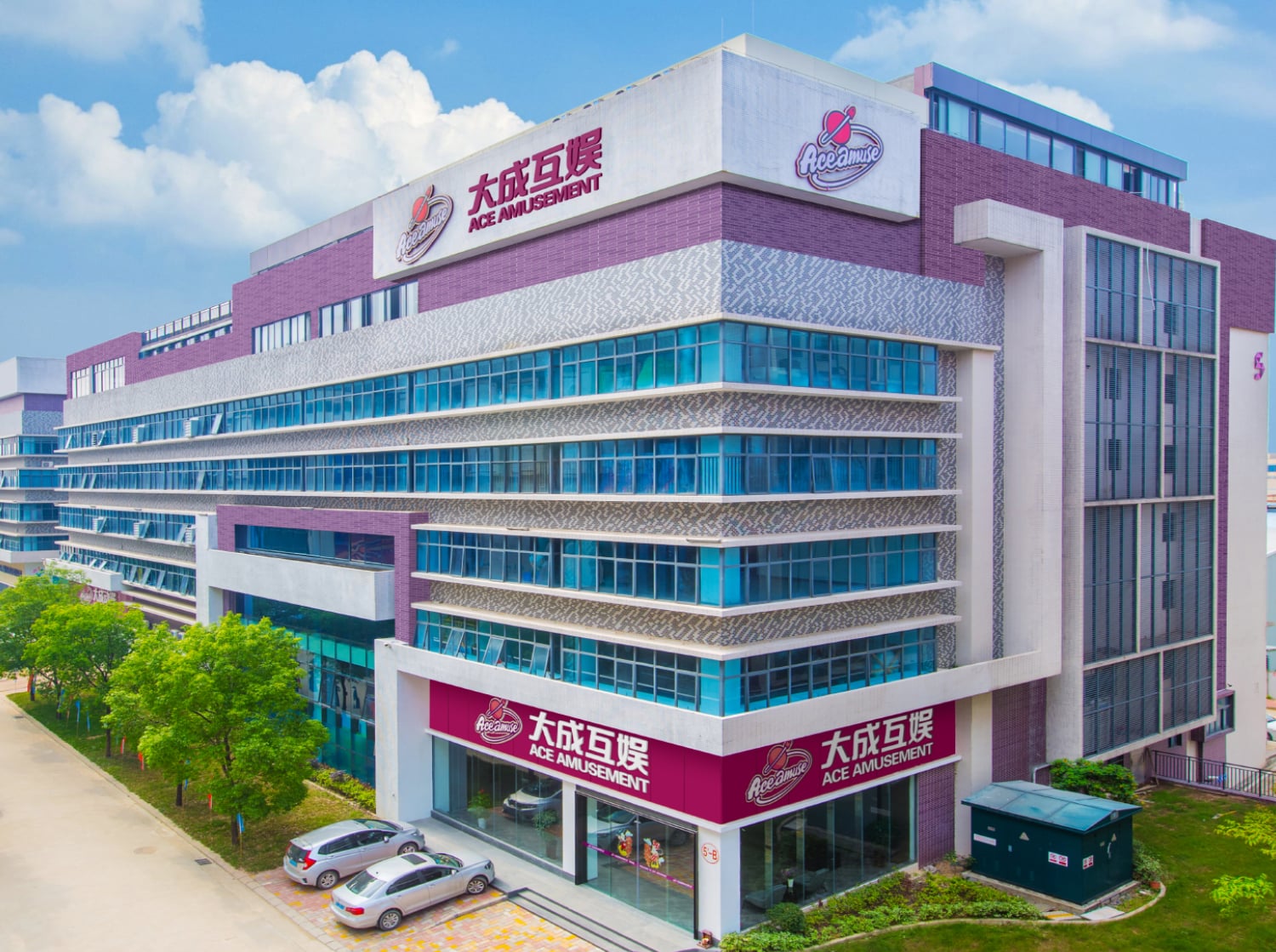
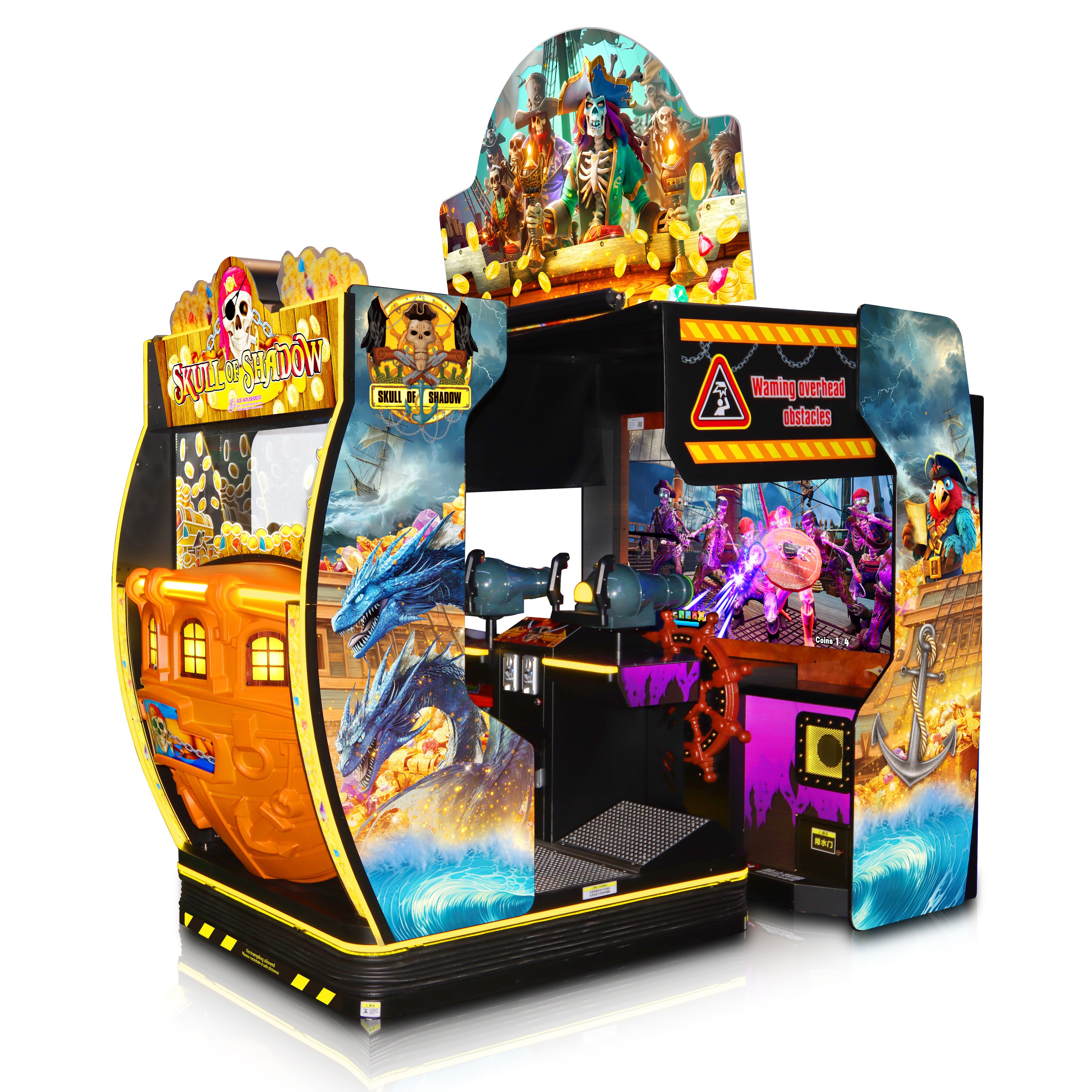
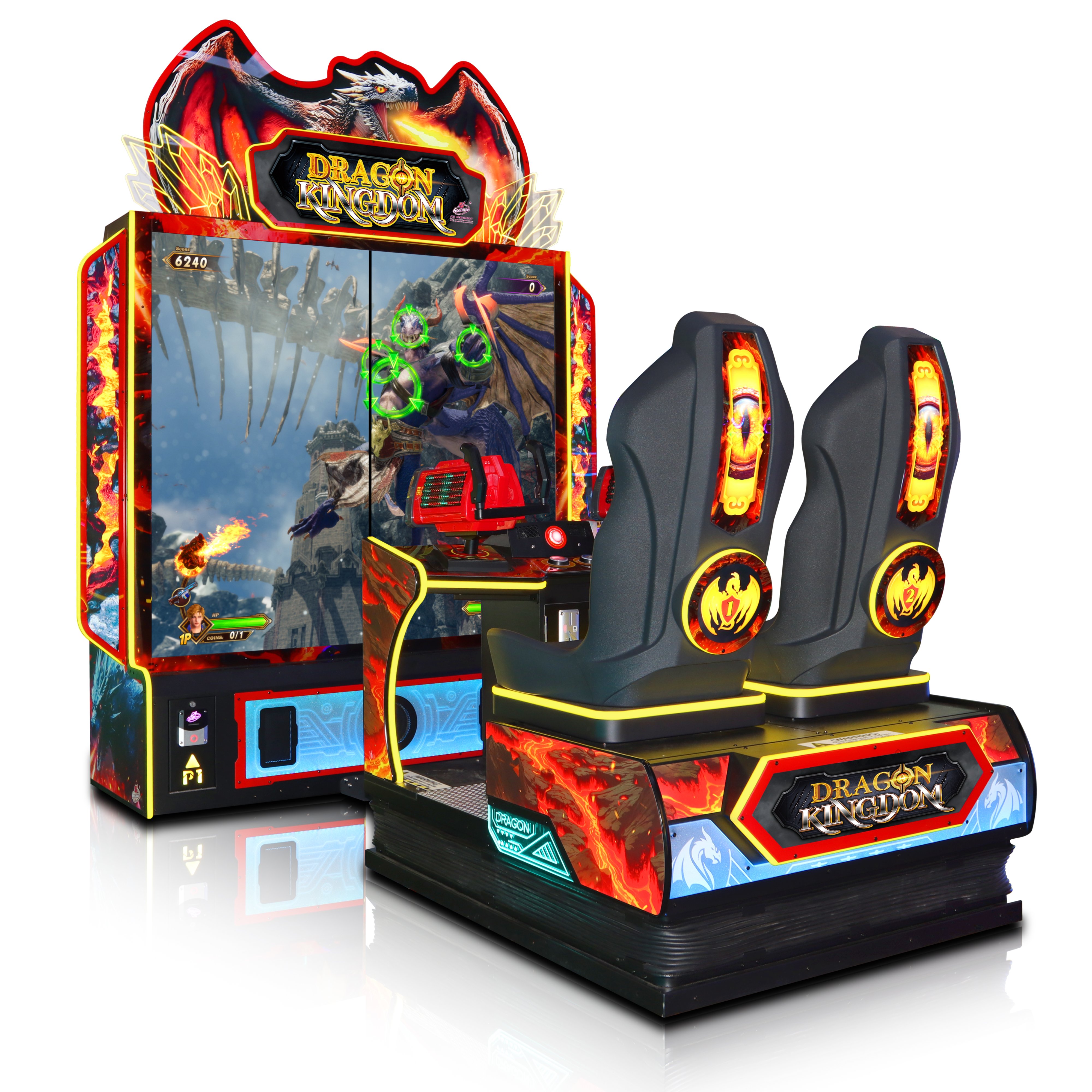
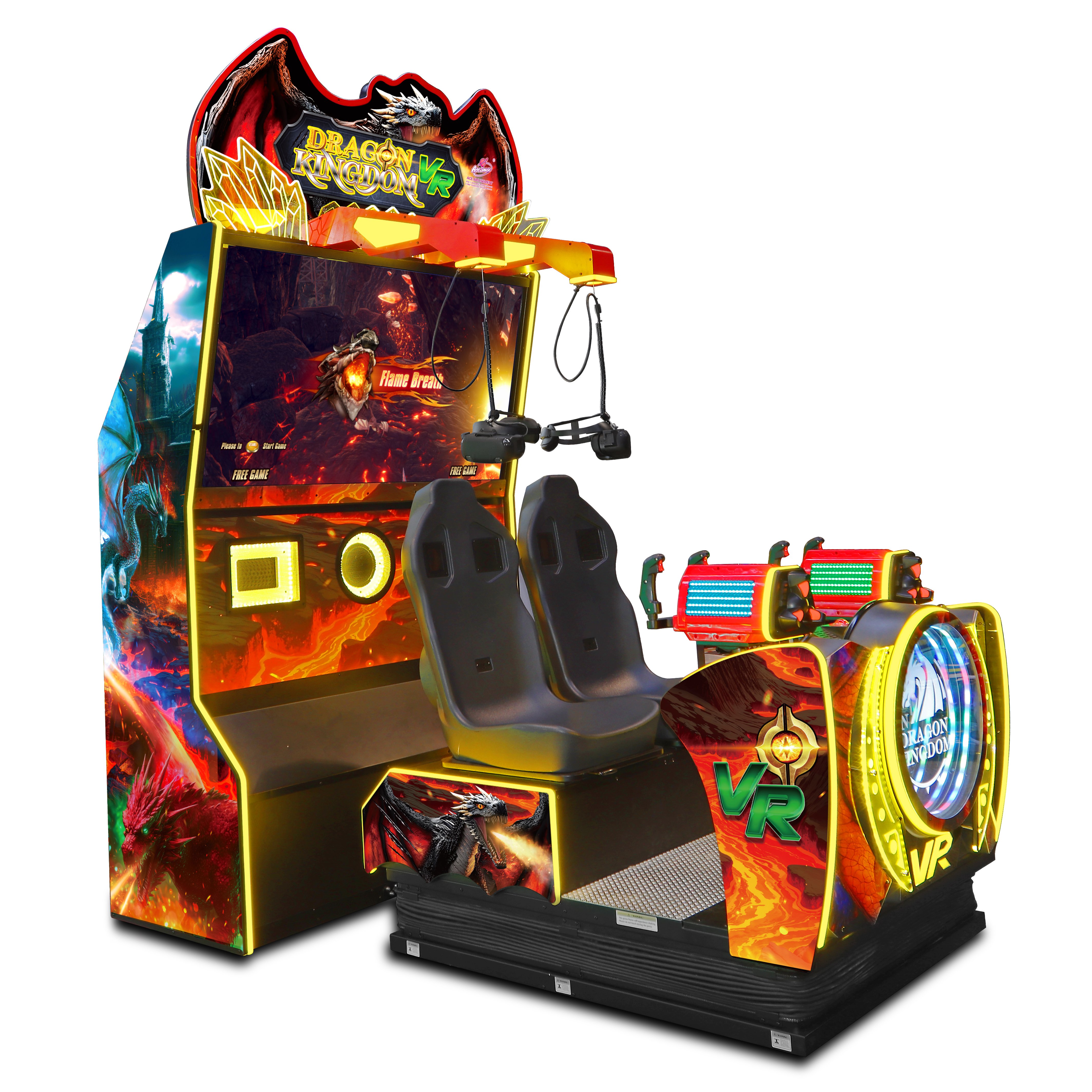
A first order only proves that a game supplier can ship machines. It does not prove the supplier can keep them running, restock parts, or support a growing floor for years. The operators who get the most value treat the first purchase as the start of a relationship, not a transaction. Building that partnership takes deliberate steps in choosing machines, measuring support, and governing the relationship after the boxes arrive.
The foundation of any long-term relationship with a game supplier is build quality, because breakdowns in a high-traffic venue cost revenue by the hour. Machines made with high-grade components and subjected to intensive testing require less maintenance and produce lower servicing bills over their life. A supplier that invests in consistent quality control is signaling that it wants repeat business rather than a one-time sale. Evaluating this early matters: a first order built from premium materials with dependable performance is the clearest sign that the supplier can support a venue for years.
A strong game supplier does more than ship catalog machines. Customization — venue branding, themed artwork, and adjusted gameplay features — lets an operator build a floor that competitors cannot copy. This matters more after the first order, when the venue has performance data and knows which machines earn and which sit idle. A supplier that tailors machines to those findings becomes a partner in growth rather than a vendor. The ability to personalize machines also refreshes the floor over time, keeping the space from feeling static to repeat visitors.
Support separates a transactional game supplier from a long-term partner. The relationship should be judged on how quickly the supplier responds when a machine goes down: installation guidance, troubleshooting, spare parts availability, and maintenance advice. A supplier whose experienced team offers professional recommendations and technical support from consultation through after-sales keeps machines running. Before placing a second order, confirm the support path — who to contact, how fast parts ship, and whether remote troubleshooting is available.
Long-term partnerships run on predictable communication, not ad-hoc calls. Successful operators share sales and utilization data with the game supplier and plan reorders around seasonal demand and floor rotation. This forward planning lets the supplier reserve production slots and gives the operator better lead times and pricing. Regular check-ins also surface new releases early, so the venue can adopt fresh titles before competitors. A supplier that responds consistently and proactively becomes easier to work with over time.
A chain of family entertainment centers across Southeast Asia started with a modest first order from a game supplier, then used the early machines to measure per-square-foot revenue. The operator shared that data back, and the supplier recommended a mix of redemption games, skill games, and racing simulators matched to the chain's actual age demographic. Custom-branded cabinets followed, and the supplier's after-sales team handled installation and parts across multiple sites. The relationship grew from one shipment into a rolling reorder program as the chain expanded.
A partnership survives when expectations are written down. Agreements should specify lead times, payment terms, spare parts availability, and the support response window. Conduct incoming quality inspections on every shipment rather than assuming consistency, and track failure rates by machine model so problems surface early. Industry data supports the value of diligence — the global arcade and amusement market is large and growing, and reliable suppliers earn repeat business by meeting documented standards rather than promises. A formal review each quarter keeps both sides accountable and turns a good first order into a durable relationship.
The operators who extract the most from a game supplier treat the relationship as an asset. Reliability, customization, responsive support, and clear governance convert a single purchase into a partnership that keeps the floor earning.
Look for build quality, spare parts availability, and responsive technical support. A supplier worth keeping uses high-grade components, offers customization, and provides after-sales help for installation, troubleshooting, and maintenance. Consistent quality control and a clear support contact are stronger signals than the initial price.
Customization lets an operator brand machines, adjust gameplay, and refresh the floor so competitors cannot copy the venue. After the first order, utilization data shows which machines earn, and a supplier that tailors machines to that data acts as a growth partner rather than a vendor.
Judge support by response speed, spare parts lead time, and whether remote troubleshooting is available. A reliable game supplier offers technical support from consultation through after-sales, with an experienced team handling installation, troubleshooting, and maintenance.
Share sales and utilization data with the game supplier and plan reorders around seasonal demand and floor rotation. Forward planning lets the supplier reserve production slots and gives the operator better lead times. Regular check-ins surface new titles early and reduce friction over time.
Agreements should specify lead times, payment terms, spare parts availability, and the support response window. Conduct incoming quality inspections on every shipment and track failure rates by machine model. A quarterly review keeps both sides accountable and surfaces problems before they grow.
Build quality determines downtime and servicing bills. Machines made with high-grade components and intensive testing require less maintenance and interrupt revenue less often. A supplier that invests in consistent quality control is signaling a commitment to repeat business rather than a one-time sale.
 Hot News
Be the first to get our latest styles and offers.
#5 Building,No.6,HengFeng 6 Road,GangKou Town,Zhongshan,Guangdong P.R CHINA
Copyright © 2025 by ACE Amusement International Co., Ltd.
 EN
EN