The first ninety days decide whether a new family entertainment center builds momentum or fades. The goal is to convert first-time guests into members, party bookers, and referral sources before the novelty wears off.
Most foot traffic decisions happen on a phone before anyone walks through the door. A new family entertainment center needs a completed Google Business Profile with photos, hours, and services weeks before opening, because local search drives most discovery for family destinations. Claim the listing, post pre-opening updates, and collect early reviews from a soft-launch event to build the ranking signals that decide whether the venue appears when nearby parents search for birthday venues or rainy-day activities. Radius-targeted social ads aimed at parents beat broad campaigns that waste budget.
A launch event should not be a single Saturday of giveaways. The stronger structure is a multi-week rollout: a soft-launch weekend for reviews, a formal grand opening with tiered prizes and a photo moment, and a follow-up weekend offer that pulls first-time visitors back. Redemption games with a bonus-ticket day give guests a visible reason to return and collect a prize. Structuring the launch around loaded value cards captures spending upfront while locking in a second visit.
A family entertainment center rarely succeeds on walk-in traffic alone. Memberships and value cards convert a single visit into recurring revenue. A membership should reward frequency, not just offer a discount, because frequency builds habit and word of mouth. Loaded value cards with expiry pressure the visit window, while a birthday club that sends free-play offers captures one of the highest-converting occasions in entertainment. Redemption games already encourage repeat visits as players chase tickets and prizes, and layered loyalty programs amplify that loop.
Birthday parties and group bookings are the most reliable traffic engine for a new family entertainment center, because they bring ten to twenty paying guests at once and introduce the venue to parents who later return. Party packages should be priced per head with clear inclusions — a reserved space, a host, and a food-and-play bundle. Corporate team-building and school groups fill weekday gaps. Make the booking process frictionless: an online inquiry form answered within a few hours beats a phone-only system that loses leads.
One regional operator opened a new family entertainment center with a three-phase sequence. Three weeks before opening, local SEO and a soft launch generated forty early reviews. The grand opening weekend used loaded value cards and a bonus-ticket redemption event that filled the floor and created a party booking waitlist. The following month, the email list collected at the door received a follow-up offer and a birthday club invitation. Within ninety days, weekend traffic stabilized and weekday bookings rose, because the launch was structured around repeat visits rather than one event.
Marketing spend without measurement burns the budget. The metrics that matter are cost per first visit, the conversion rate from first visit to member or party booking, repeat visit rate within thirty days, and average spend per guest. Tracking these weekly reveals which channels produce revenue rather than vanity impressions. Industry bodies such as IAAPA publish benchmarks that help operators compare performance and spot a lagging channel early. If a channel does not convert within the first month, reallocate the budget.
The first ninety days are a compounding window. A new family entertainment center that layers local visibility, a structured launch, membership programs, and party bookings builds a foot traffic engine that keeps running long after the grand opening balloons come down.
Allocate ten to fifteen percent of projected monthly revenue to marketing in the launch window. Prioritize local SEO, radius-targeted social ads, and a soft launch for reviews over broad brand campaigns. Track cost per first visit and reallocate weekly toward channels that convert.
A structured grand opening with loaded value cards and a bonus-ticket redemption event drives the fastest initial traffic, because guests get a visible reason to return. Pair it with a soft-launch weekend to collect early reviews, which improves local search ranking.
Birthday parties bring ten to twenty paying guests at once and introduce the venue to parents who later return as walk-in customers. They fill weekend slots and generate word of mouth. Per-head pricing with clear inclusions and fast online booking converts more inquiries.
A completed Google Business Profile with photos, hours, and reviews helps the venue appear when nearby parents search for birthday venues or rainy-day activities. Local search drives most discovery for family destinations, and early reviews build the ranking signals needed to show up.
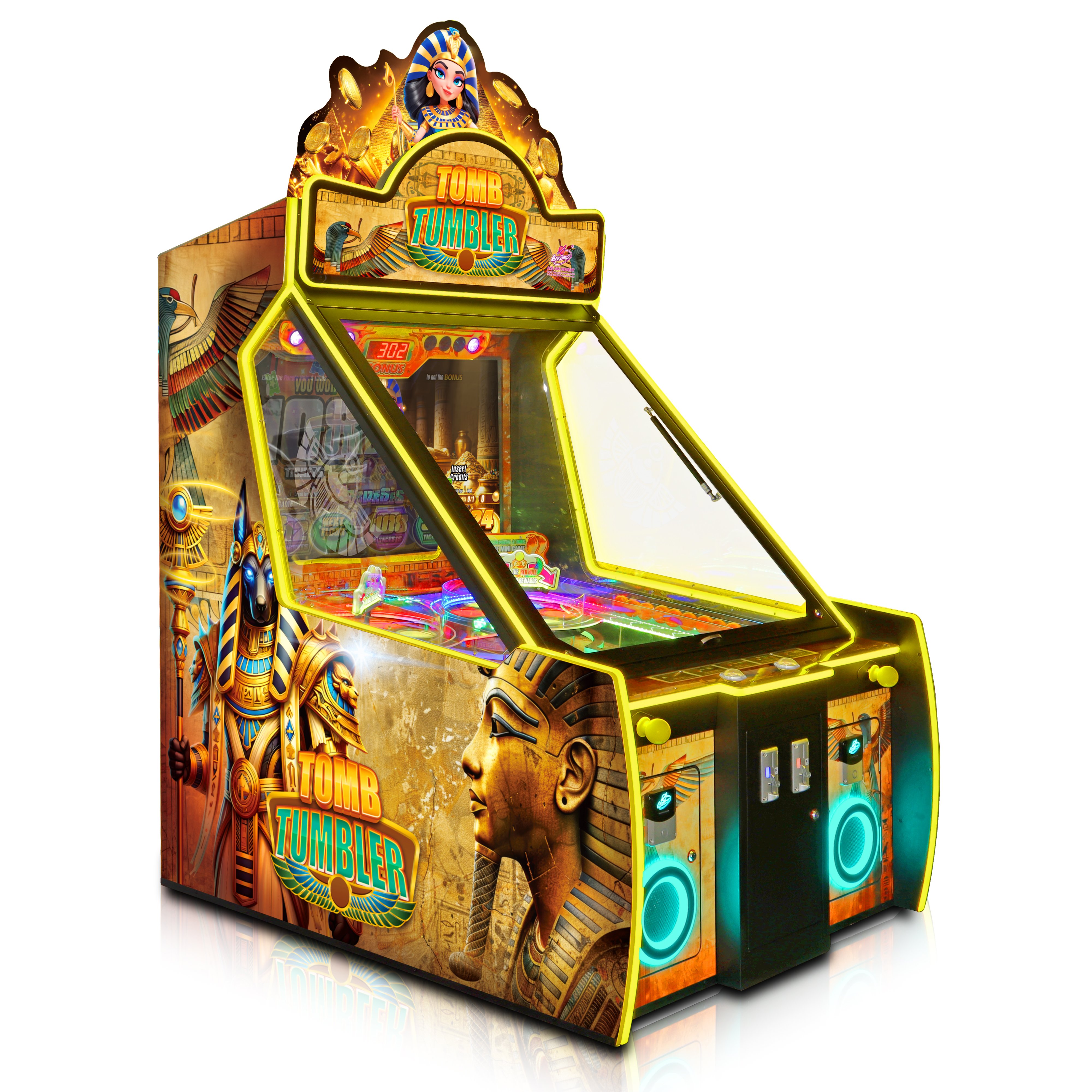
Redemption games give players a reason to return, because they chase tickets and prizes across visits. A bonus-ticket launch event amplifies that loop, and when layered with a membership or loyalty program, redemption play converts first-time guests into repeat customers.
Review cost per first visit, repeat visit rate, and party booking conversion weekly during the first ninety days. If a channel does not convert within the first month, reallocate the budget to a channel that does. Momentum is easier to build early than to rebuild after the launch window closes.
 Hot News
Be the first to get our latest styles and offers.
#5 Building,No.6,HengFeng 6 Road,GangKou Town,Zhongshan,Guangdong P.R CHINA
Copyright © 2025 by ACE Amusement International Co., Ltd.
 EN
EN