A family entertainment center only works when three generations arrive together and each finds a reason to stay. A three-year-old wants soft play and instant rewards, an eleven-year-old wants redemption tickets, a teenager wants racing and VR, and the adults funding the game cards want comfort and light competition. The right mix layers game categories so every age band has a primary draw.
The youngest visitors in a family entertainment center respond to immediate feedback and low frustration. Redemption games with bright visuals, large buttons, and guaranteed ticket output keep three-to-seven-year-olds engaged. Claw machines, whack-a-mole cabinets, and soft-play structures anchor this zone. Physical safety drives every choice: low cabinet heights, rounded edges, and soft-fall surfacing. Because toddlers arrive with parents, seating must sit within direct sight lines, or supervision stress shortens the visit.
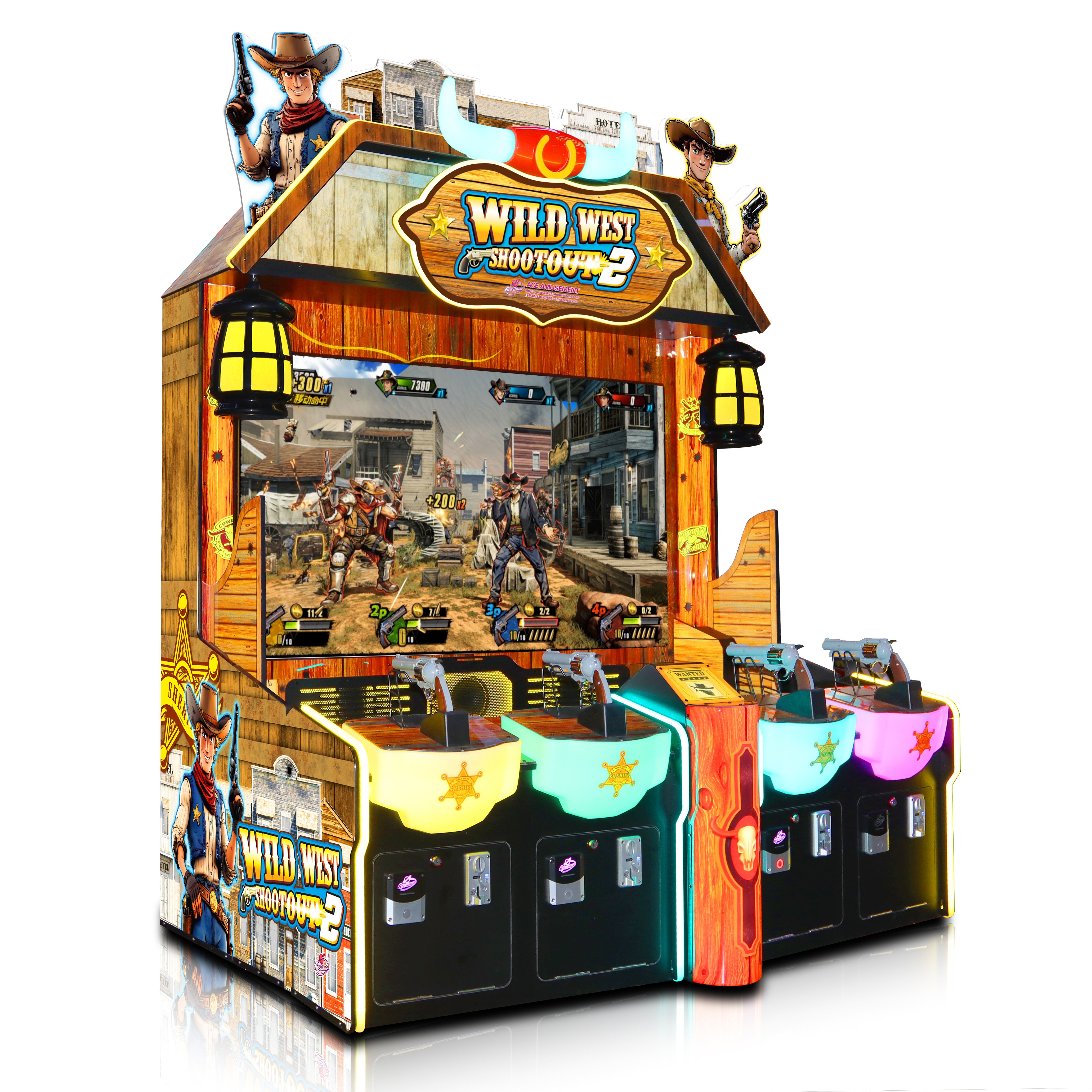
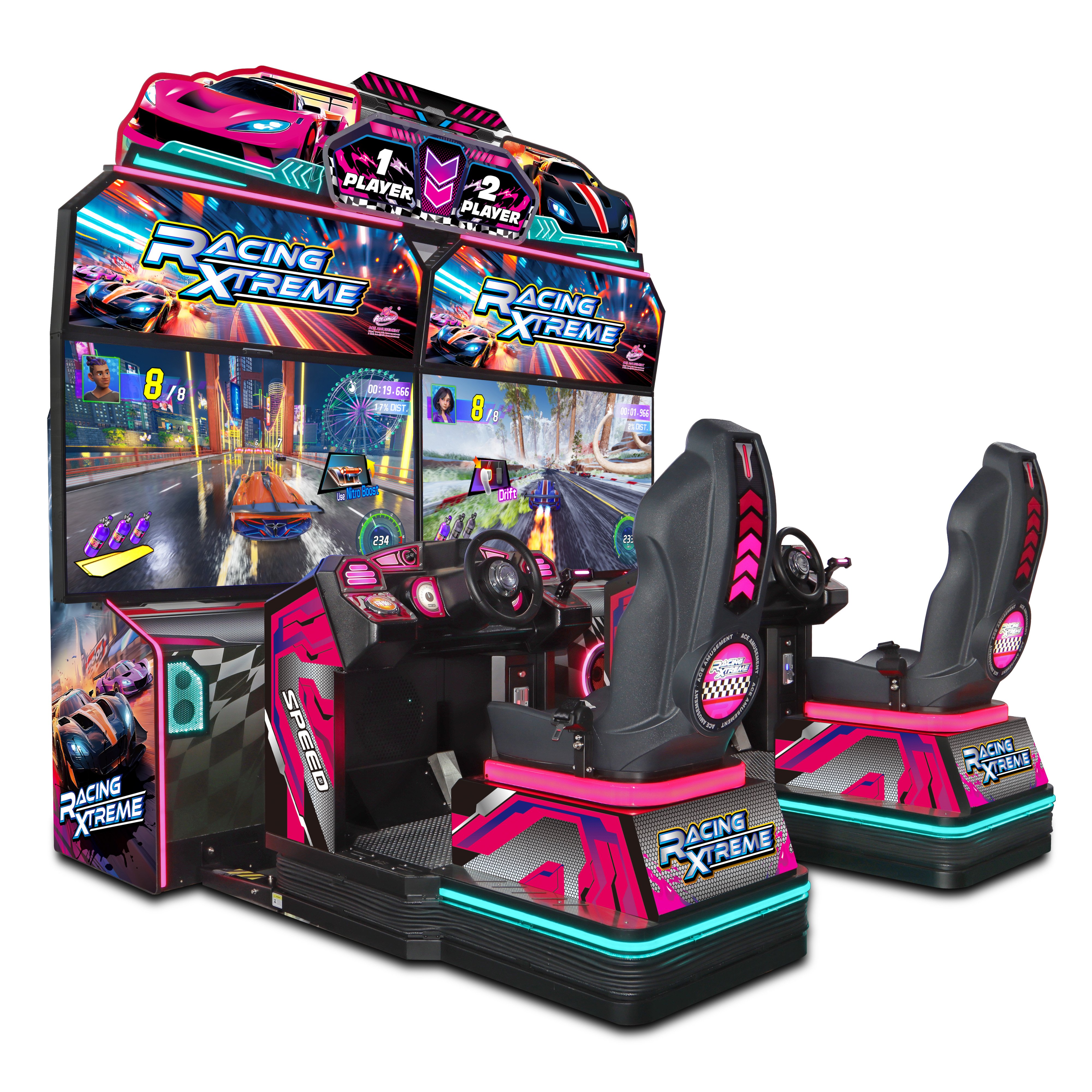
This band demands the most variety. Eight-to-fourteen-year-olds shift between redemption games, skill challenges, and multiplayer video cabinets. Basketball free-throw machines, shooting galleries, and racing simulators reward practice. Redemption games with progressive difficulty — where ticket payout scales with skill — hold attention far longer than pure chance games.
Redemption games form the centerpiece of most family entertainment center layouts because they serve the widest age range. Adjustable difficulty lets the same cabinet entertain a five-year-old pressing one button and a twelve-year-old aiming for a jackpot. Tiered prize walls provide visible goals, and ticket systems create the repeat-visit loop that drives return traffic.
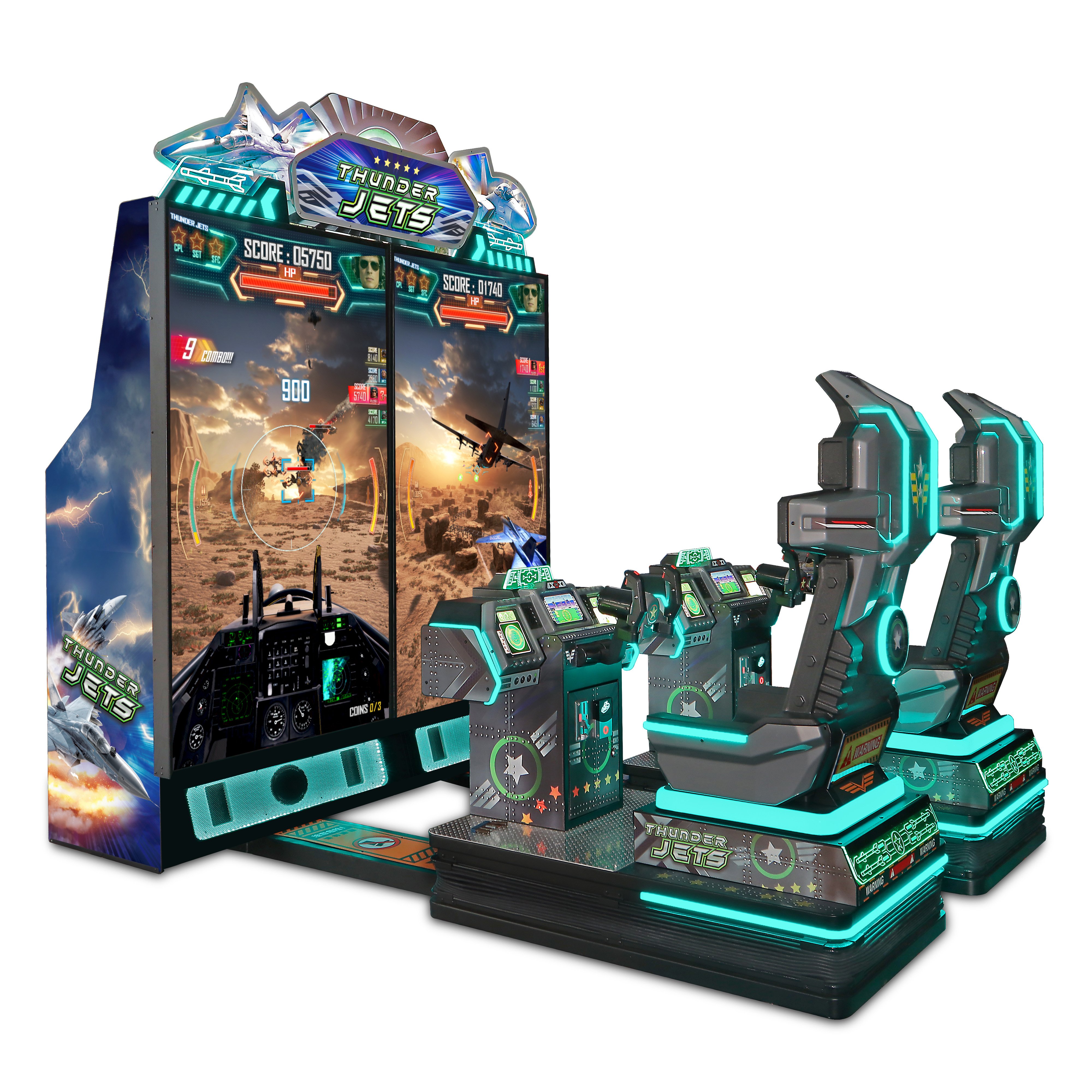
Teenagers and young adults gravitate toward immersion and head-to-head competition. Racing simulators with motion feedback, multiplayer shooting games, and VR attractions serve this group, where responsive controls and high-resolution displays matter most. Coin-operated classics — fighting games, air hockey, pinball — retain pull through nostalgia and direct rivalry.
Adults and seniors are the most overlooked group in a family entertainment center, yet they control spending. Parents buy the game cards and grandparents fund birthday parties. This band needs moderate-challenge games near seating: classic cabinets, bowling-style games, and light skill games. Comfort does the rest — seating every eight to ten meters, charging stations, and climate control.
A multi-zone operator redesigned a struggling venue by separating games into four flowing areas: toddler soft play near the entrance, a redemption core in the center, a racing and VR wall, and adult classics near food and seating. The previous layout mixed all ages together, causing toddler collisions and no quiet spot for grandparents. After zoning, dwell time and per-visit spending both rose.
Reputable operators align equipment with recognized standards. Soft-play structures and children's areas should meet norms such as EN 1176 for playground equipment and ASTM F2291 for amusement ride design where applicable. Electrical systems should follow local codes and relevant IEC-based safety requirements. Compliance is a baseline that reduces injury risk and keeps the venue insurable.
Start with the actual age mix of the market, not a catalog. Confirm floor area per machine, verify electrical load, and check that high-traffic games have accessible service panels. After installation, schedule daily checks for loose parts, weekly tests of coin mechanisms and ticket dispensers, and monthly cleaning of cooling fans. Track revenue per square foot and replace lagging cabinets.
A family entertainment center works as a system, not a collection of machines. Zoning by age band, anchoring with redemption games, and investing in seating and safety create a floor where toddlers, teens, and grandparents each have a reason to stay — and a reason to return.
Four categories cover the full range: redemption games with adjustable difficulty, skill games such as basketball and shooting, video and racing cabinets for teens and adults, and coin-operated classics that serve adult nostalgia. Soft-play structures anchor the youngest visitors, while comfortable seating supports the oldest.
Zone-based layouts work best. Place soft-play and toddler redemption near the entrance, a skill-and-redemption core in the center, racing and VR along a wall, and adult classics near food and seating. This prevents age-group friction while keeping parent sight lines open to children's zones.
Adults and seniors control spending but participate less directly in gaming. Many venues skip moderate-challenge games, seating, and charging stations near adult areas. When this band leaves early because of discomfort or boredom, the entire family's spending departs with it.
Redemption games typically anchor the largest share of a multi-generation floor because adjustable difficulty and tiered prizes serve the widest age range. Skill games, video and racing cabinets, and coin-operated classics fill the remaining space, with the split driven by local demographics and utilization data.
Seating, charging stations, climate control, and acoustic damping affect dwell time more than any single game. The oldest visitors are most sensitive to comfort, and their early departure removes the whole family's spending. Infrastructure is part of game mix design, not a separate concern.
Review per-machine revenue every quarter. Any cabinet below the category average for two consecutive quarters is a relocation or replacement candidate. Seasonal rotation aligned with school holidays and family gatherings keeps the floor fresh without disrupting the core mix.
 Hot News
Be the first to get our latest styles and offers.
#5 Building,No.6,HengFeng 6 Road,GangKou Town,Zhongshan,Guangdong P.R CHINA
Copyright © 2025 by ACE Amusement International Co., Ltd.
 EN
EN