
 EN

Which Redemption Games Offer the Most Favorable Payout Ratios for Operators?
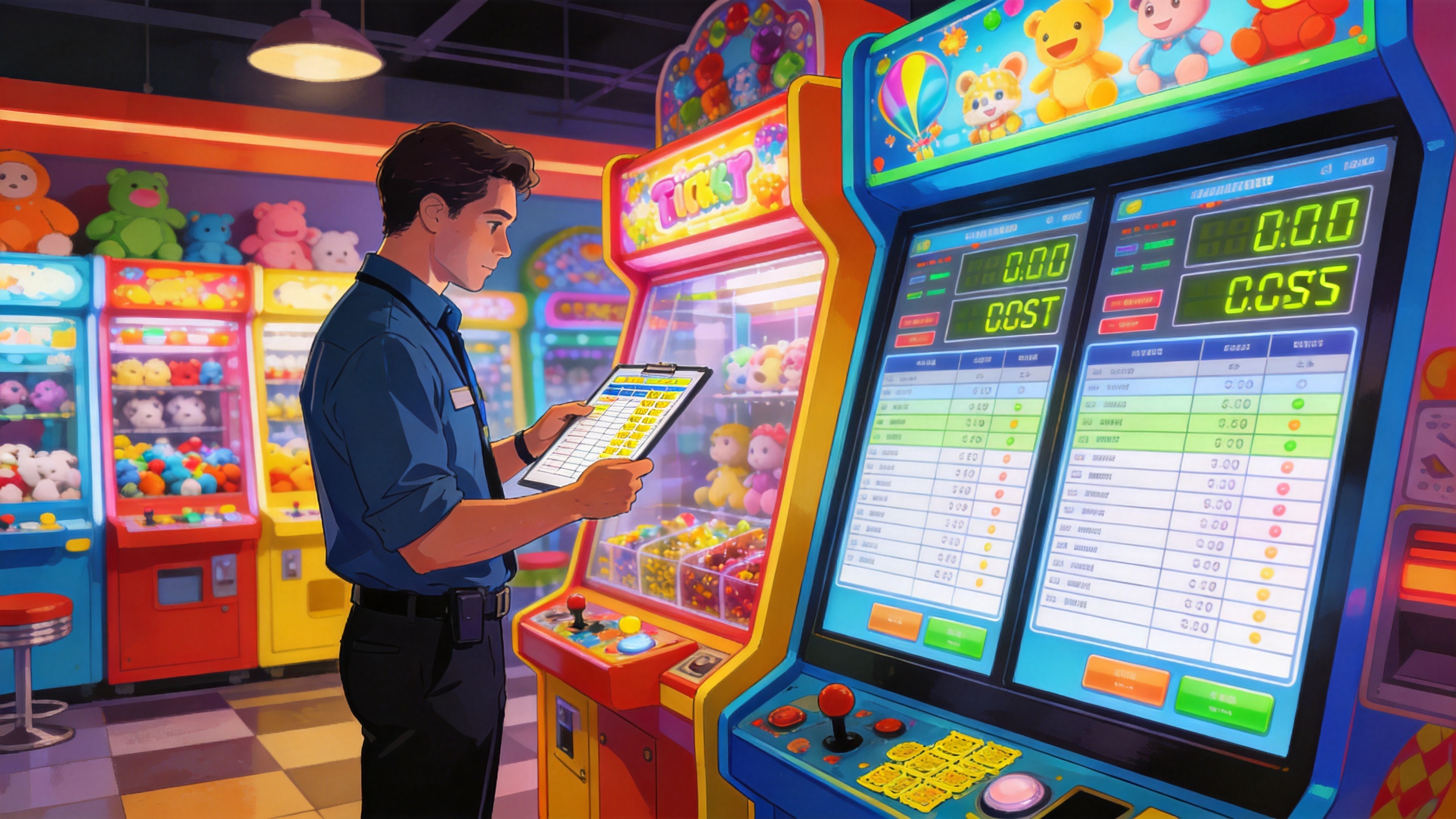
For an arcade operator, a redemption game with the lowest ticket cost is not automatically the right machine for the floor. A sustainable payout ratio balances landed prize cost, price per play, repeat engagement, service needs, and the value guests feel when they visit the prize counter. That is why a useful comparison starts with the operating model, not a single advertised jackpot.
From an arcade-hall operator’s viewpoint, the machines that matter are the ones that fit traffic patterns and prize economics over time. A redemption game can look efficient in a spreadsheet yet disappoint if guests do not understand the challenge, if wins feel unreachable, or if downtime removes it from a busy zone. Conversely, a higher-ticket format may support perceived value when the prize mix and play price make sense together.
Start With the Operator Payout Formula
For each redemption game, calculate the prize-cost portion of revenue rather than relying on tickets alone. A practical working formula is: average tickets issued per play × landed cost per ticket ÷ revenue per play. The result is the operator payout ratio. Landed cost should include the actual cost of prizes, freight and handling where relevant, rather than just a catalogue price.
Industry guidance often places an overall game-room payout percentage in the 25–35% range, but it is an indicative reference point rather than a fixed rule. The right figure changes with local pricing, prize sourcing, guest expectations, and your non-game operating costs. Track the redemption game payout against actual counter redemptions, not just its programmed ticket schedule.
Game Formats That Often Support Stronger Control
1. Skill-forward games with visible outcomes
A redemption game built around a clear physical or video skill loop can offer strong control when players can see why they won or fell short. Basketball, timing, target, and other repeatable challenge formats give operators room to set tickets around a transparent scoring curve. The appeal is not that these games invariably pay less; it is that operators can test ticket tables without making the outcome feel arbitrary.
Look for formats with a quick learning cycle, readable score feedback, and a sensible difference between ordinary scores and a headline win. A redemption game with too many low-value outcomes may protect short-term cost while weakening return play. In a family entertainment center, a modest, understandable reward can be more useful than a rare jackpot that few guests believe they can reach.
2. Merchandise cranes and prize-focused attractions
Merchandise-based attractions can offer a direct prize-cost model because the awarded item is known beforehand. Yet this redemption game category should be assessed separately from ticket redemption. Cabinet cost, prize mix, refill labor, win settings, local rules, and the guest’s perception of fairness all affect the result. Use landed prize cost and observed wins per cycle to review the ratio, then compare it with maintenance and merchandising effort.
These machines can suit entrances, high-visibility zones, or short-dwell venues when the product presentation is compelling. They are less suitable as the only answer for a venue that needs a broad ticket economy. The important point is to avoid treating a crane’s payout setting as interchangeable with a ticket-based redemption game payout.
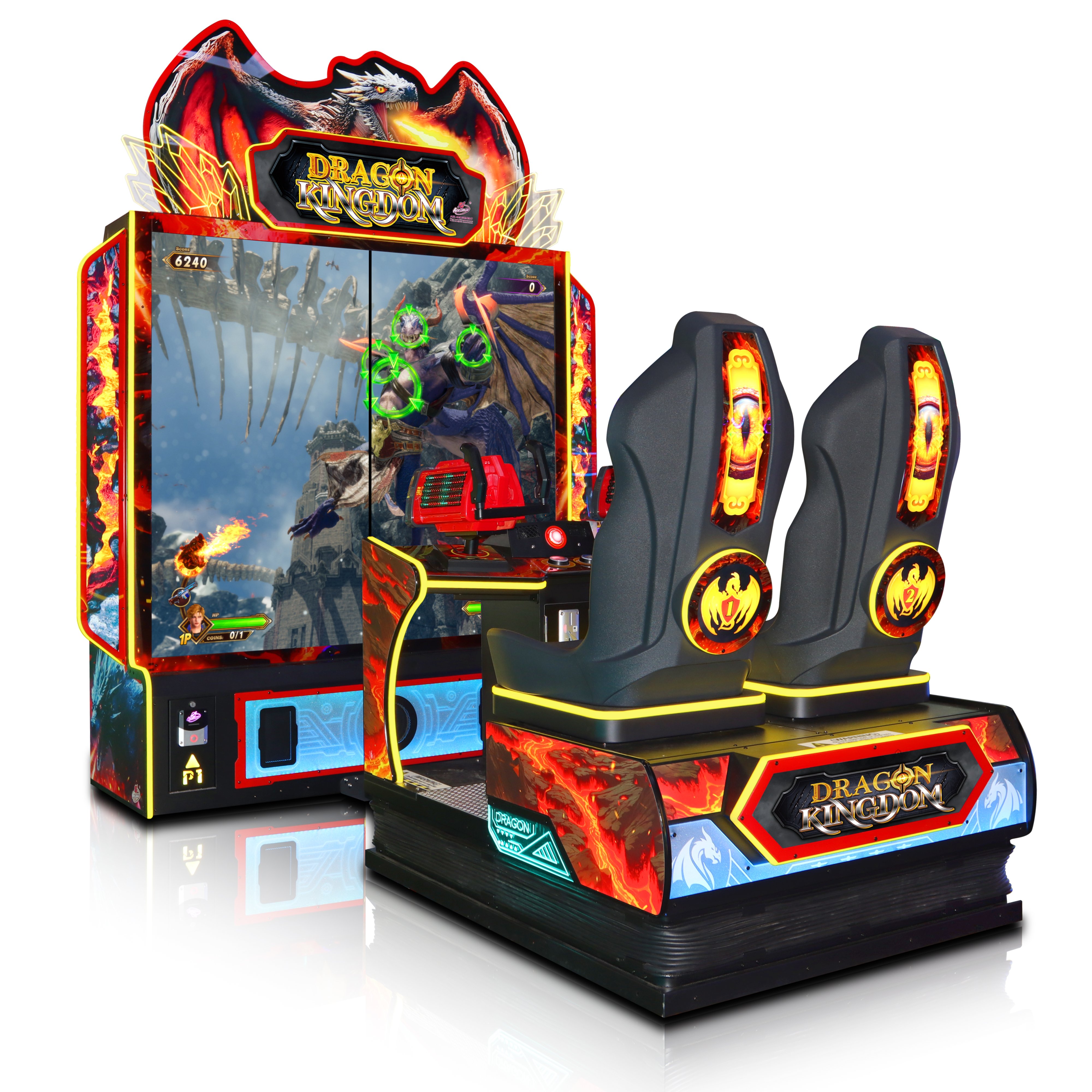
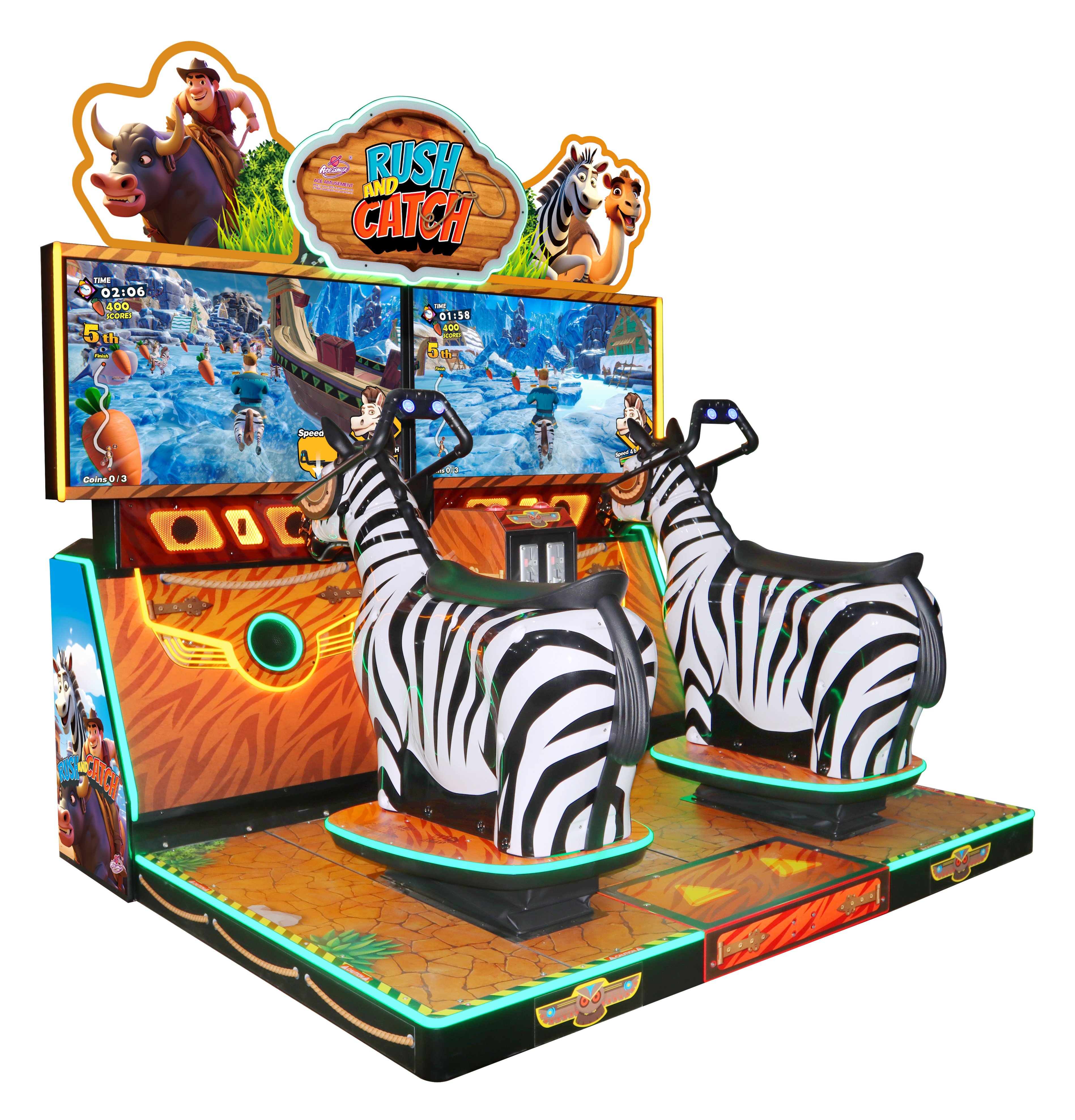
3. High-energy, multiplayer redemption formats
Multiplayer formats can generate concentrated demand during peak periods because the activity becomes visible social entertainment. Their payout can remain workable when the machine has enough capacity, robust controls, and a ticket curve designed for group participation. A redemption game that pulls a crowd may justify a different payout target from a single-player cabinet because its effect includes footfall and dwell time around nearby games.
Test whether the game converts viewing into paid play. If guests only watch, the cabinet may consume valuable floor space without supporting the intended mix. If they queue and replay, a slightly more generous ticket profile can be commercially sensible. Review it by daypart rather than using one setting for every traffic condition.
Why No Single Redemption Game Has the Right Ratio Everywhere
Buying one redemption game in isolation is simple. The harder question is how it fits the rhythm of the entire floor. A venue with many high-volatility jackpot games may need steady, accessible formats that help guests accumulate tickets. A compact site with limited counter capacity may favor formats that manage prize liability more predictably. The better comparison is between a category’s role in the floor mix and the ratio it requires to perform that role.
| Game format | Where payout control comes from | What to watch |
|---|---|---|
| Skill-forward | Score thresholds and ticket tables | Perceived fairness and replay rate |
| Merchandise-focused | Win rate and landed item cost | Refill labor, prize presentation, local requirements |
| Multiplayer / high-energy | Capacity, play price, group demand | Peak-hour throughput and downtime |
Set Up a Practical Testing Routine
- Record a baseline. For every redemption game, log plays, tickets issued, gross revenue, downtime, and the landed cost of redeemed prizes.
- Separate ticket cost from guest value. A low cost per ticket does not explain whether the prize counter feels attainable to guests. Review ticket inventory and redemption patterns alongside machine data.
- Change one lever at a time. Adjust ticket awards or price per play, then observe a representative traffic period before changing the next variable.
- Review by segment. Family venues, tourist locations, and competitive teen-focused arcades may respond differently to the same redemption game settings.
- Include service reality. Button wear, ticket mechanisms, and parts availability change total cost of ownership. A machine that sits offline cannot contribute to a useful payout calculation.
Choose a Supplier Conversation That Supports Better Decisions
When comparing a redemption game for an operating floor, ask suppliers for the information needed to plan responsibly: game settings that can be adjusted, maintenance access, spare-parts support, power requirements, dimensions, and documentation relevant to the destination. Avoid asking for a promised revenue outcome. Instead, ask how the machine can be configured and serviced so your team can test it against the venue’s own metrics.
ACE Amusement’s broad portfolio of arcade machines, redemption machines, video simulators, and amusement rides can help B2B buyers consider category coverage rather than sourcing each part of a floor from unrelated vendors. Still, the final comparison should be grounded in your traffic, counter operation, and prize strategy.
Conclusion: Compare the Whole Payout System
The most useful redemption game for an operator is the one whose ticket or prize cost can be managed without undermining a satisfying player experience. Skill-forward games tend to offer clear testing levers; prize-focused attractions can make item cost visible; and multiplayer formats can contribute to a broader floor strategy. None is universally right.
Build a weekly dashboard for each redemption game, calculate prize cost against revenue, and review the result with replay behavior, downtime, and prize-counter redemptions. This turns payout from a static setting into an operational decision that can evolve with your venue.



 Hot News
