A single connector failed on two unrelated cabinets within the same month: a prize crane and a racing unit. Neither product team at the game supplier had changed its design. The cause turned out to be a shared component batch used across three lines, which a game supplier with per-line inspection would have caught at incoming goods and a game supplier with only final testing would miss entirely. Multi-line production is where quality systems are genuinely tested, because the failure modes cross organisational boundaries. A game supplier making redemption games, simulators, and shooting cabinets under one roof cannot rely on one checklist per product family.
Component commonality lowers cost and simplifies spare parts. It also means a defect can appear in several categories at once, which is exactly what makes a game supplier’s traceability worth auditing.
The fault showed up as intermittent power loss, the kind of symptom that gets blamed on a venue’s wiring before anyone opens the cabinet. Because the game supplier logged lot numbers on incoming goods, the affected batch was identified in an afternoon and two shipped orders were traced by serial range. A game supplier without that link would have tested each returned unit in isolation and concluded the faults were unrelated. Ask a prospective game supplier how a component lot is recorded, and whether that record can be queried backwards from a finished serial number.
The useful detail was not the fault itself but the pattern: both product lines drew from the same bin during one production week. A game supplier that records line, shift, lot, and firmware version at the point of assembly can isolate a problem to a few hundred units. A game supplier that only stamps a date on the carton cannot.
A single harness, power supply, or display panel used across categories concentrates risk. If a game supplier checks components only on the line where they are first consumed, the other lines inherit the problem silently. A game supplier needs incoming inspection at the shared store, not at each assembly station, and a quarantine process that can hold a lot before it reaches three lines at once.
Mixed product lines usually mean several controller boards and several firmware branches. A game supplier that does not lock a board revision to a firmware build can ship a cabinet that works at the factory and misbehaves after a field update. Version drift also breaks spare-parts logic, since a replacement board flashed for one build may not suit another. Ask the game supplier for a version matrix showing which firmware goes with which hardware revision across every line in the order.
A workable game supplier system places checks at three points. Incoming inspection verifies dimensions, ratings, certifications, and lot identity before components enter the store. In-process checks catch assembly errors at the moment they can still be corrected cheaply, such as torque on mounting brackets, cable routing, and grounding continuity. Final inspection includes a burn-in period, a full functional test of controls, display, audio, payment path, and prize or ticket mechanism, plus a documented release sign-off. A game supplier that can show all three stages with dated records is describing a process; a game supplier that only shows a finished-unit test is describing an outcome.
Full inspection of every unit is rarely practical for a bulk order, so a game supplier should define an agreed sampling plan. ISO 2859-1 describes sampling procedures for inspection by attributes and gives both sides a common language for acceptance levels. Alongside it, a golden-sample record fixes the build standard: board revision, finish, label set, and packaging. A game supplier referencing that record in each production order avoids the slow drift that turns a second shipment into a subtly different product. When several categories ship together, each needs its own golden sample, because a crane and a simulator share few visual or functional acceptance criteria.
ISO 9001 sets the baseline for a documented quality management system, and the certificate scope should cover the entity and the product categories involved. ISO 2859-1 defines attribute sampling plans, while ISO/IEC 17025 covers the competence of any laboratory issuing test reports a game supplier relies on. ISO 10012 addresses measurement process management, relevant where torque, voltage, or dimensional checks drive acceptance decisions. ISO 14001 and RoHS and REACH documentation matter for material declarations on a game supplier shipping into Europe. UL 22 is the North American reference for amusement and gaming machines, IEC 62368-1 covers display and computing hardware, and FCC Part 15 applies to electronic emissions. ISO 17842-1 addresses design and manufacture of amusement devices, and ASTM F770 gives a structure for inspection records at the receiving end. NFPA 70 and OSHA 29 CFR 1910.303 set the electrical baseline once a game supplier’s cabinets are installed. A game supplier that can map each of these to a specific document, rather than a folder of logos, makes an audit straightforward.
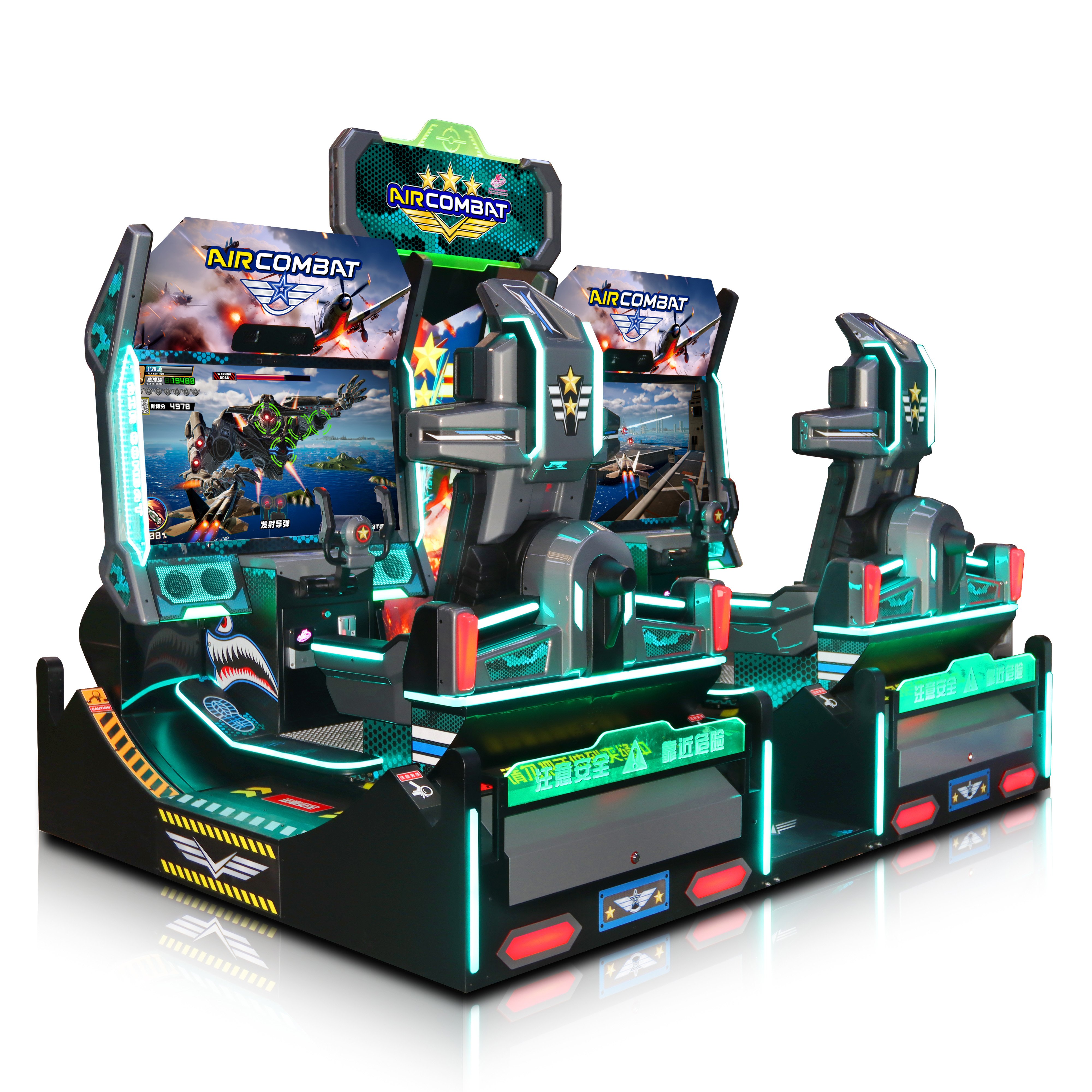
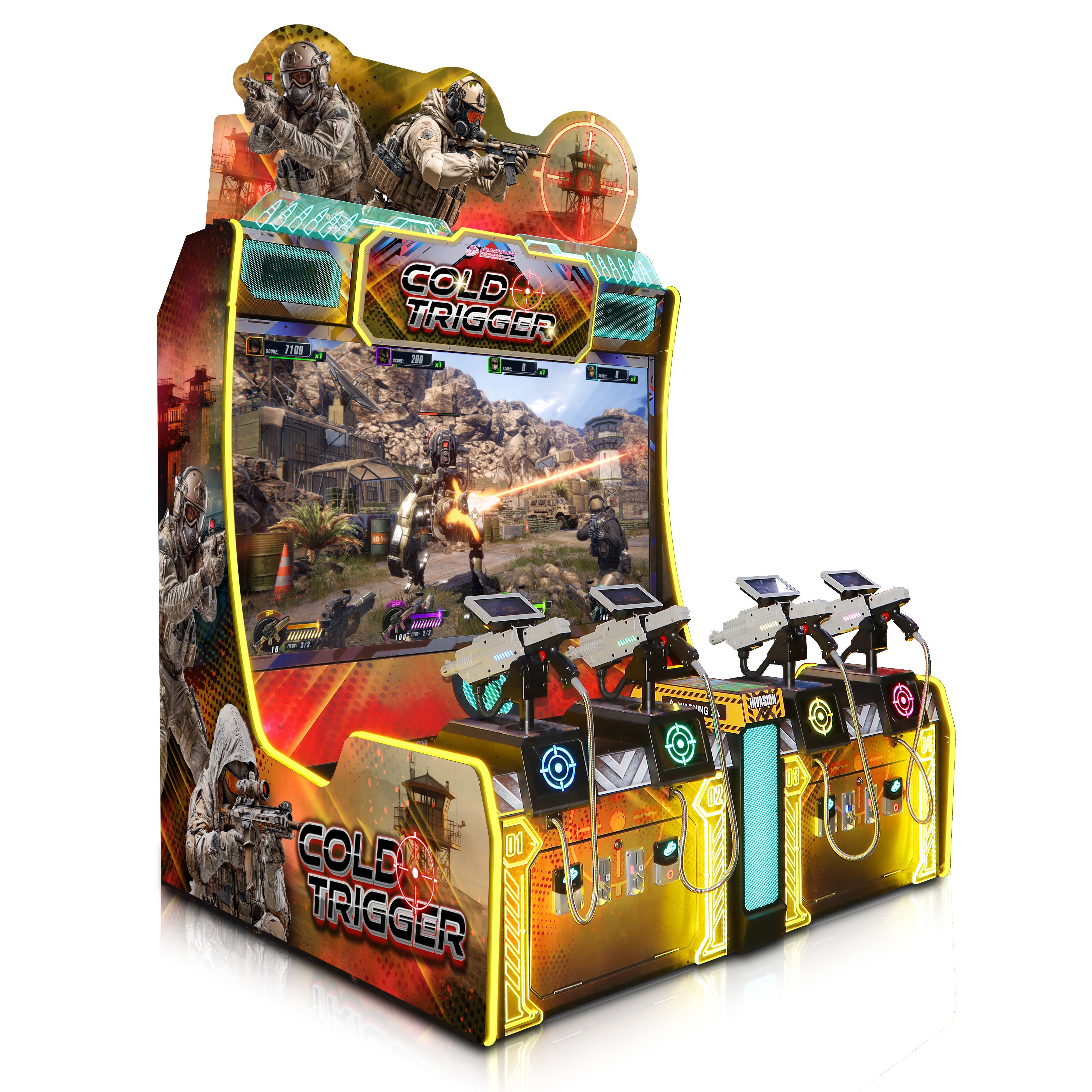
At the audit, request from the game supplier one build record from each product line and trace a component lot backwards from a finished serial number. Ask to see the incoming inspection sheet, the in-process checkpoints, the final test report, and the version matrix. Then agree the sampling plan, the golden-sample records, the packing specification, and the corrective-action route before production starts. A game supplier that accepts a written non-conformance procedure is planning for the moment something fails, which is the only moment that matters. ACE Amusement builds several cabinet categories in one facility, so this kind of cross-line traceability is worth confirming explicitly on a mixed order.
Shared components carry a defect across several product categories at once, and per-line inspection often misses that pattern. A game supplier needs lot-level checks at the shared store plus a build record linking line, shift, lot, and firmware version to each serial number. Without that link, two unrelated failures look like coincidence rather than one batch problem, and a game supplier cannot isolate the affected shipment or confirm which other cabinets used that lot.
Incoming material verification, in-process assembly checks, and a final functional test with burn-in and documented release sign-off. A game supplier showing only finished-unit results has no way to catch a shared component lot before it reaches three lines. Ask for dated records from each stage on a real order rather than a template, and confirm who has authority to hold a lot.
It fixes the agreed build standard, including board revision, cabinet finish, label set, and packaging, and gives both sides a reference when a later shipment looks subtly different. A game supplier should reference it in every production order. Mixed orders need one golden sample per product category, since a crane and a simulator share few acceptance criteria.
Use a defined attribute sampling plan such as ISO 2859-1, and state the acceptance criteria in the purchase order before production begins. Agree what happens when a lot fails: who retests, who records the result, and how a corrective action is documented. A game supplier that accepts this in writing is easier to work with than one relying on a general assurance of careful checking.
It shows which firmware build belongs to which controller board revision across every product line. A game supplier without one can ship cabinets that pass at the factory and misbehave after a field update, and spare boards may not match the hardware in service. Request the matrix before a mixed order, and have the agreed baseline written into the purchase order.
Pick one finished serial number from each product line and ask the game supplier to trace it back to the component lots, the shift, and the firmware build. A genuine system produces that chain in minutes from existing records. If the answer requires a phone call to the assembly floor, the traceability exists in people’s memory rather than in a process.

Be the first to get our latest styles and offers.
#5 Building,No.6,HengFeng 6 Road,GangKou Town,Zhongshan,Guangdong P.R CHINA
Copyright © 2025 by ACE Amusement International Co., Ltd.
 EN



 Hot News
