Време боравка клијента минута које посетилац проводи унутар аркаде од уласка до изласка је једино мерило које најпријасније предвиђа приход по посети. Породица која остаје 45 минута троши приближно 3 пута више него породица која остаје 15 минута, чак и пре него што се узму у обзир додатне игре које се акумулишу током продужене посете. Игре за откуп повећавају време боравка не тако што ће појединачне игре бити дуже, већ стварајући циљано оријентисану петљу: играј → зарађи биљке → види напредак награде → играј више да премостиш јаз → зарађи више биљки → потражи награду. Свака игра храни мотивацију за следећу игру, а бројич награде видљив са било ког места у зони откупљања држи гол физички присутан током целог посете.
Механизам понашања је добро документован. Играчи игре искупљења доживљавају оно што психолози називају "ефекат градијента циља" мотивација се повећава док се перцептивна удаљеност до циља смањује. Играч који је акумулирао 400 картица за награду од 500 картица игра следећу рунду са више интензивности него играч који почиње од нуле, јер мозак не третира преосталих 100 картица као 20% укупне количине, већ као стање близу завршетка. Овај ефекат се појачава када је награда физички видљива играч може видети пучману животињу, електронски гадгет или брендиран производ који седи на полици, стварајући оштру везу између куповања билета и жељеног исхода.
Не могу све игре са избављањем да буду једнако ефикасне у задржавању играча. Игре са највишим временом боравка деле три карактеристике дизајна: резултате засноване на вештинама (играч верује да њихово извођење утиче на резултат, чак и када случајност игра улогу), видљиво акумулација картица (дигитални или физички бројич картица који се ажурира у реалном вре
АСЕ Амунемент је игра за откуп портфолио укључујући Џини'с Џевел, Кул Бои и Баллоон користи ове механике. На пример, Џинијев џвалер користи елемент времена заснован на вештинама који играчима даје искрено уверење да вежбање побољшава перформансе, док рандомизована дистрибуција награде осигурава да однос исплате оператера остане конзистентан. Комбинација илузије вештина и повременог појачања психолошког обрасца који чини слот машине зависним производи продужене сесије игре које покрећу приход зоне откупљања.
Премијски бројич није малопродајни екран, он је психолошко закотво које сваки освојен билет претвара у корак ка видљивом циљу. Ефикасни бројиоци награда постављају најжељеније награде средњег нивоа (5001,000 билетски опсег) на нивоу очију, директно у погледу играча на најпопуларнијим машинама за откуп. Награде високог нивоа (2.000+ картица) су приказане на истакнутом месту, али на удаљености која комуницира "достижимо уз одрживу игру" уместо "недостижимо". Награде ниског нивоа (50200 карата) постављене су близу бројача за откуп где их деца могу добити опција тренутног задовољавања која ухвати играче који би иначе могли да оду без откупљања.
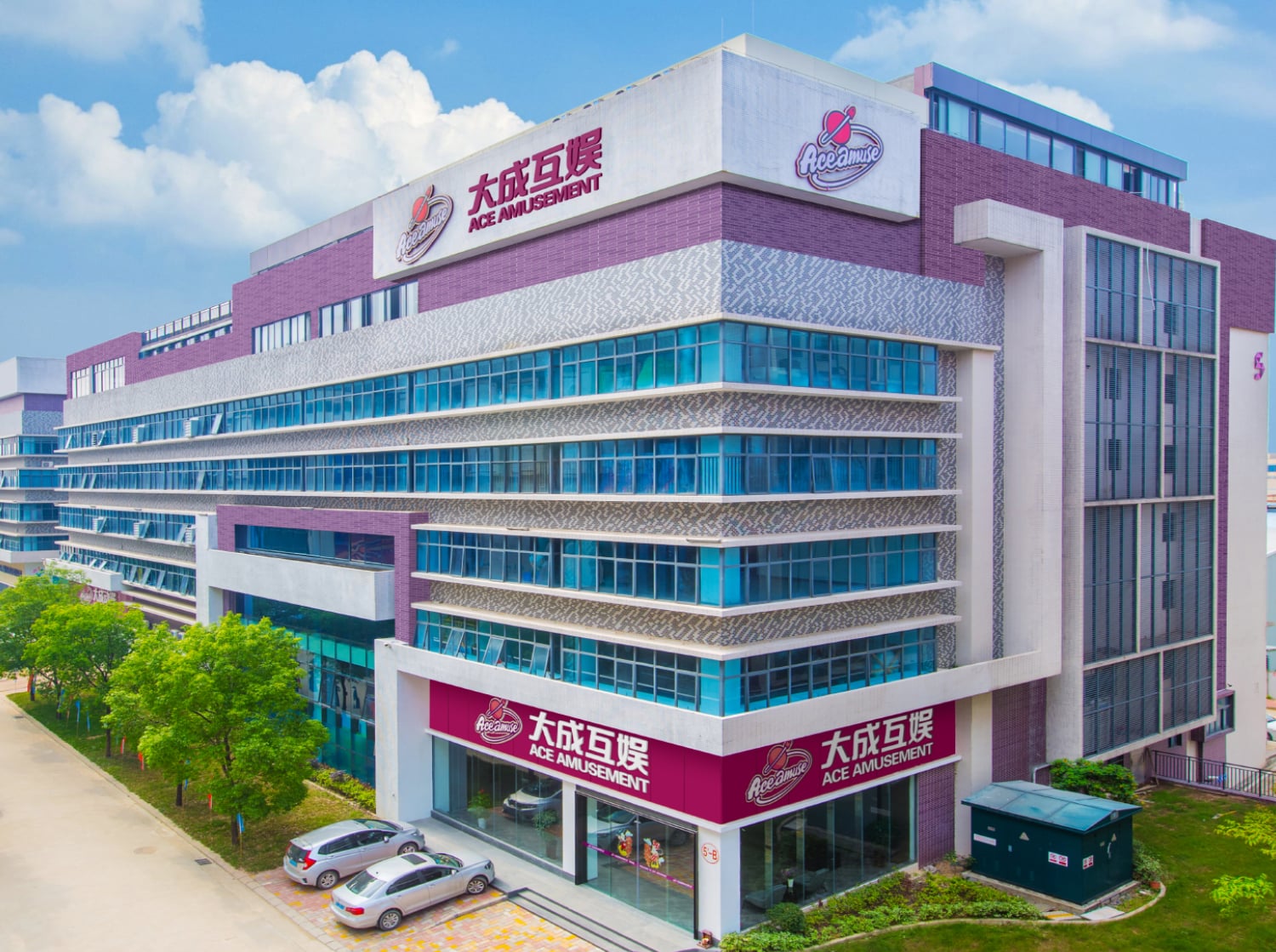
АСЕ Амунемент пружа препоруке за приказивање награда са инсталацијама куповине машина, укључујући предложене висине полица, конфигурације осветљења и однос дистрибуције награда на основу демографије простора. Машине компаније интегришу се са стандардним системима бројења билета и откупљања награда, омогућавајући оператерима праћење издавања билета по машини и прилагођавање тешкоће игре или цене награде како би се одржали циљани односи исплате.
Игре за откуп генеришу своје највише време боравка када су скупљене у посвећеној зони откупљања, а не растрпане по парку аркаде. Ефекат зоне функционише кроз друштвени доказ: играч који пролази поред кластера од пет машина за откупљање, од којих сваки има активног играча, доживљава активност као популарну и вредну - исти механизам који чини да гужва ресторан изгледа привлачније од празног. Зона такође концентрише визуелни утицај бројача награда, стварајући простор где се свака линија погледа завршава на приказивању награда.
Постројење зоне за откуп поставља 46 машина у полукрг усмерен ка бројишту награда, стварајући природан образац проток саобраћаја: играјте на једној машини → проверите бројање карти → погледајте приказу награде → пређете на другу машину → поновите. Машине треба да нуде различите врсте игре (тимење, циљање, засноване на срећи) тако да играч који се креће кроз зону доживљава разноликост без напуштања екосистема откупљања.
Оператор породичног забавног центра у Саудијској Арабији редизајнирао је зону за откуп на основу препорученог распореда АСЕ Амунемента након што је инсталирао три нове машине за откуп Џенијев Џеул, Цул Бои и Ролл Н Вин поред постојећих Пре редизајна, просечно време боравка купца на месту је измерило 38 минута. Три месеца након редизајна, време за задржавање у просеку је било 54 минута, што је повећало 42%. Приход по посетима порастао је за 51% у истом периоду. Оператор је добитак приписивао концентрисаној зони откупљања која замењује расејано постављање машине и механици заснованој на вештинама нових машина које играчима дају јачи осећај агенције од претходних игра које доминирају срећом.
За просторију од 5.000 квадратних метара, 610 аутомата за откуп пружају довољно разноликости без пренаплаћености. Зона за откуп треба да представља 20-30% укупног броја машина. АСЕ Амунемент нуди машине за откупљање преко више врста игара време, циљање, варење и среће засновано како би се пружила разноликост у распореду једне зоне.
Индустријски стандардни коэффициенти исплате варирају од 2535% прихода, што значи да је трошак награда који се откупљају једнак 2535 центи по долару прихода од игре. Коефициенти испод 20% ризикују незадовољство играча; коефициенти изнад 40% смањују профитабилност. АЦЕ Амунемент-ови куповини машине нуде прилагодљиве подешавања тешкоће које оператерима омогућавају да фино подешавају однос исплате на њихов циљни опсег.
Ротирајте 15-20% наградног инвентара месечно како бисте одржали новину. Сезонска ротација награда (обијекти на тему празника у децембру, играчке за базон у лето) одржавају визуелно свежу изложбу. Премије са великим прометом (50200 билета) треба да се поново складиште недељно како би се избегло празно место на полицама које сигнализује о слабијој доступности награде.
Да игре за одрасле са више награда (електроника, брендована роба, ваучери за кредит) и софистициранијим механикама игре привлаче одрасле публике. ACE Amusement-ова производна линија укључује игре са прилагодљивом тешкоћом и тематиком погодним за породичне и одрасле локације.
Савремени куповини користе шифроване податке о билетима или електронске системе засноване на картицама уместо физичких билета, што елиминише фалсификовање. За системе са физичким билетима, користите штампане билети са сигурносним карактеристикама, периодично мењајте дизајн билета и обучавате особље да препознаје лажне билети. Апарати АСЕ Амунемент подржавају и физички билет и електронске системе за откуп на основу картице.
Машине за испоруку из произвођача као што је АСЕ Амументација дизајниране су за 710 година комерцијалног рада са рутинским одржавањем. Најчешћи предмети за зношење дугме, билетни механизми, механизми за новчиће дизајнирани су за замену на терену и производиоци их чувају као резервне делове за цео живот машине.
 Топла вест
Будите први који ћете добити наше најновије стилове и понуде.
#5 Building,No.6,HengFeng 6 Road,GangKou Town,Zhongshan,Guangdong P.R CHINA
Copyright © 2025 by ACE Amusement International Co., Ltd.
 EN
EN


