Разлика између играчког машине који ради беспрекорно пет година и оне која се сваки други викенд не користи је видљива пре него што се унесе први новчић ако купац зна где да тражи. Кинеска производња играчких машина опсегава спектар квалитета од јединица из извозне категорије изграђених са брендованим компонентама и ИСО-сертификацијама до домаћих машина састављених од најјефтиније доступних делова са минималном контролом квалитета. Разлика у цени између ових нивоа је обично 2540%, али је укупна разлика у трошковима власништва укључујући време простора, радни рад на поправци и незадовољство клијената много већа.
Структурисана евалуација квалитета пре наручења ухватила би проблеме који би иначе изашли на површину као позиви сервиса шест месеци након инсталације. Евалуација се односи на четири области: конструкцију и материјале кабинета, унутрашње компоненте и жице, доказе о тестирању трајности и системе квалитета произвођача. Свака област се може проценити путем посматрања посете фабрици, извештаја о инспекцији треће стране и захтева за документацијом.
Шкаф је структурни скелет машине. Добро изграђени аркадни ормари користе плочу од влакана средње густине (МДФ) или шперплоку дебљине најмање 1518 мм за вертикалне панеле, са појачаним угловним зглобовима металним заградама, конструкцијом од доула и лепила или обоје. Покушајте да додирнете панеле кабинета током инспекције: чврст, мртав звук указује на густ материјал; шупљи прстен указује на танку плочу или празнине иза површине. Проверите завршну огранку изложене ивице МДФ-а апсорбују влагу од влаге и чишћења, отекајући се током времена. Произвођачи квалитета примењују ПВЦ редови или боје за запечатање свих изложених ивица.
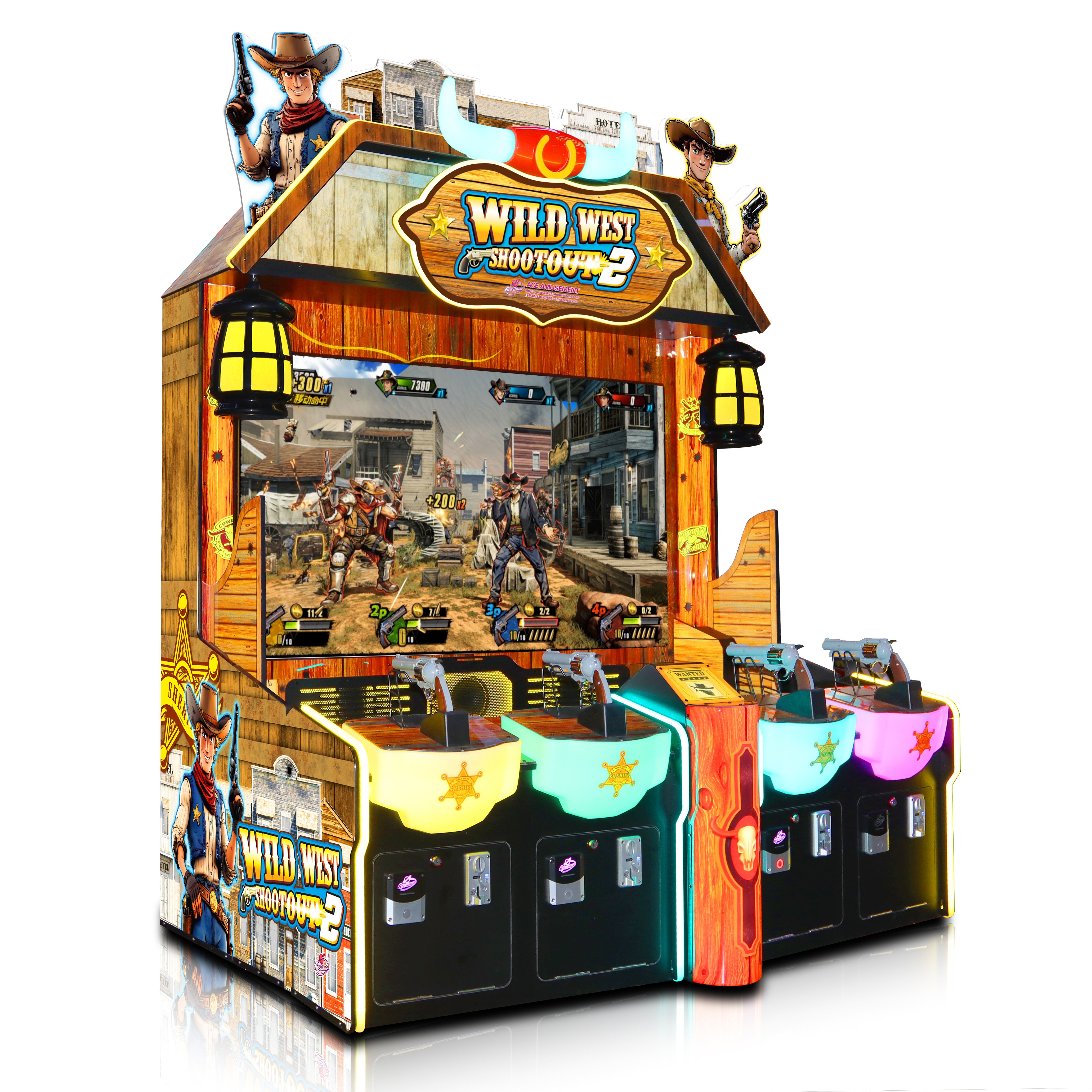
АСЕ Амунемент изграђује своје кабинете за куповину и аркадне машине са материјалима комерцијалног квалитета изабраним за окружења са великим сообраћајем у којима машине имају 12-16 сати дневног рада. Извански део ормара користи ламинирану графику заштићену прозрачним слојем знојања који се супротставља гребању од прстенова, кључа и општег контакта - детаљ који раздваја машине дизајниране за комерцијалну употребу од оних дизајнираних за издржљивост домаће класе. Током процене, проверите да ли је нокът дуг графичким ивицама да бисте проверили да ли је лупање или подизање рани индикатор квалитета ламинације.
Отворите сервисну таблу и проверите три ствари: жице, напајање и механичке зглобове. Вијеци треба да буду организовани у ткалинама или кабелним каналима, а не уплетаном масом Чиста жица смањује време решавања проблема када се појави грешка и указује на негу монтаже у целој машини. Коннектори треба да буду означени одговарајућим бројевима са обе стране сваке везе. Порука за напајање треба да носи препознатљиву марку (Меан Велл, Делта или еквивалентан) уместо генеричке јединице без имена аскедски машини , и брендиране јединице имају документоване податке о поузданости.
Механички монтажи механизми за новчиће, диспечер за карте, джојстик гимбали, вала волана треба да раде без проблем без брушења, липљења или прекомерне слободне игре. У току инспекције сваки механизам се 1015 пута циклише кроз свој целосни опсег кретања. АСЕ Амументацмент производи актуаторе комерцијалног квалитета и моторе који су проценили за дужност циклуса њихове машине су дизајнирани да се баве, са спецификацијама као што су актуатори покрета Аце Страјкер 4PL-а дизајнирани за 50.000+ циклуса врста спецификације коју производила
Захтева документацију о тестирању трајности од стране произвођача. Произвођач би требало да најмање изврши 72 сата континуираног испитивања изгоревања на свакој производњој машини пре паковања покретања машине, покретања свих функција и снимања било каквих неуспјеха. Сафестициранији произвођачи спроводе убрзано тестирање живота на компонентама са високим износом (глучићи, джојстикови, пријемници новчића) како би потврдили номинални живот циклуса.
Током посете фабрици, посматрајте да ли се машине тестирају на производњи. Молите менаџера производње да покаже дневник за скоро завршену машину. Произвођач који не може да изради ову документацију су бродовни машини чија се поузданост не зна ни за купца ни за продавца.
ISO 9001 сертификација указује на то да произвођач користи документован систем управљања квалитетом инспекција прилазних материјала, проверке квалитета у току процеса, завршна инспекција пре испоруке и процедуре за корективне мере за проблеме са квалитетом. АСЕ Амументацмент одржава документацију система квалитета и пружа сертификате о усаглашености са испорукама. За Рол Н Вин игра за откуп користећи технологију индустријског конвејера, компанија наводи стандарде квалитета ИСО као део спецификације производа индикатор да се дисциплина система квалитета проширује на инжењерство појединачних производа.
Питајте о снабдевању компонентама: да ли користе брендована напајања, комерцијалне ЛЦД панеле и индустријске квалитете? Одговори разликују произвођаче који граде за комерцијално тржиште забаве од оних који граде за домаћи нискоцени сегмент. Произвођач који може да назове своје добављаче компоненти и објасни зашто су ти добављачи изабрани управља квалитетом на нивоу пројектовања, а не само да га прегледа на крају монтажне линије.
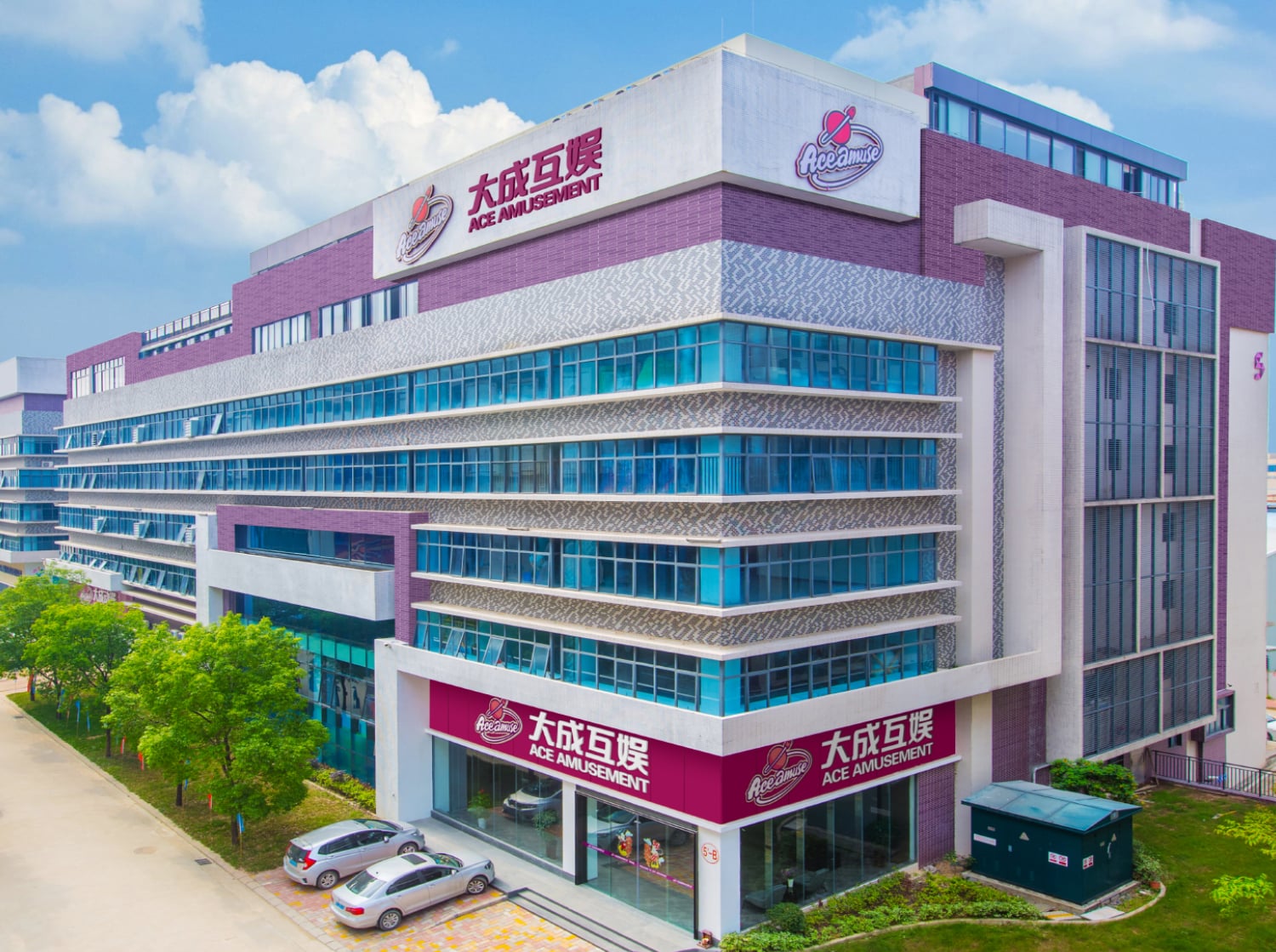
Погледајте производњу током активне монтаже не постројена обилазак, већ стварно радно окружење. Чистота, организација, означен инвентар компоненти, видљиве контроле квалитета на конзоли, и машине подвргнуте тестовима спаљивања све управљање квалитетом сигнала изван онога што посета изложби открива. АСЕ Амунемент поздравља фабричке посете свом производном објекту у Цхонсхану.
МДФ ормари са запечаћеним ивицама и појачаним зглобовима трају 710 година у комерцијалној употреби; шперплат ормари са исправном завршном обрадом трају 1015 година, али коштају више. Обуви за плоча уобичајене у јефтинијим машинама апсорбују влагу и губе структурни интегритет за 23 године. Потврдите спецификацију материјала у уговору о куповини.
За прву наруџбу препоручује се узорка пре производње. Узор омогућава процену квалитета изградње, играња и повратне информације оператора у стварном окружењу локације. АСЕ Амунемент пружа обраду за машину са убрзаним опцијама испоруке за купце који процењују своју прву наруџбу контејнера.
ЦЕ ознака за европско тржиште, ФЦЦ усаглашеност за САД, и ЦХС усаглашеност документовања усаглашености ограничених супстанци. Од одређених надлежности могу се захтевати додатна сертификата проверите своје локалне захтеве и потврдите да произвођач може да обезбеди потребну документацију. АСЕ Амументамент пружа ЦЕ, ФЦЦ и РоХС документацију са извозом.
Замолите инспекцију треће стране преко агенције као што су СГС или Биро Веритас. Обхват инспекције треба да укључује: димензионалну верификацију према спецификацијама, визуелну инспекцију конструкције ормара, инспекцију жица са отвореним сервисним панелом, функционално тестирање свих режима игре и 24-часовно посматрање спаљивања. Трошкови инспекције (приближно 300500 долара) су незнатни у поређењу са трошковима добијања машинских уређаја који нису стандардни.
Произвођачи из извозног разреда имају циљ да имају дефектни ниво испод 2% на првој испоруци. Мали проблеми (графички усклађивање, лабав конектор) су чешће од великих дефеката. Уговор о куповини треба да прецизира процес решавања недостатака замене делове испоручене на трошкове произвођача, техничку подршку на даљину и сервис на месту за нерешену проблему. ACE Amusement пружа техничку подршку на енглеском језику и испоруку резервних делова за извозне купце.
 Топла вест
Будите први који ћете добити наше најновије стилове и понуде.
#5 Building,No.6,HengFeng 6 Road,GangKou Town,Zhongshan,Guangdong P.R CHINA
Copyright © 2025 by ACE Amusement International Co., Ltd.
 EN
EN